Stick With It: The Surprisingly Valuable World of Vintage Racing Decals
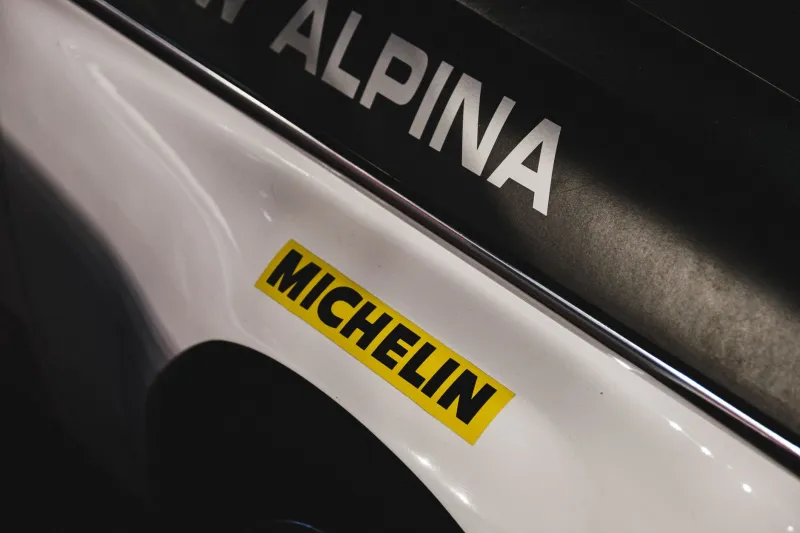
Somewhere in America right now, there's a garage with a binder full of old racing decals sitting on a shelf next to a coffee can of spare bolts. The owner probably flipped through it once or twice, didn't see anything that looked like money, and left it there. Meanwhile, a collector three states away would pay real cash for half of what's in that binder — if they only knew it existed.
Vintage racing decals are one of the most overlooked categories in the entire motorsport memorabilia market. They're small, they're easy to dismiss, and they don't have the obvious visual impact of a framed firesuit or a signed helmet. But for collectors who've done their homework, a single original sponsor sticker from the right failed racing venture can be worth more per square inch than almost anything else in the hobby.
Why Decals Became Disposable — and Why That's Your Advantage
Racing decals were, by design, consumable items. Teams ordered them by the sheet. Sponsors handed them out at trade shows, in press kits, and at hospitality suites. Fans grabbed them at the track and slapped them on toolboxes, cars, and bedroom walls. They were never meant to be archived — which is exactly why surviving originals in decent condition are genuinely scarce.
The casual destruction rate for racing decals is staggering when you think about it. Applied to a surface and exposed to weather, they crack and fade within a few seasons. Stored loose, they curl and stick together. The ones that survived did so because someone happened to keep them flat, dry, and protected — usually without any intention of preserving them for posterity.
That survival scarcity is the foundation of their value. And unlike major race-used items, decals don't require a six-figure budget to start collecting seriously.
Reading Rarity: What Makes One Sticker Worth More Than Another
Not all vintage racing decals are created equal, and learning to read the rarity indicators is the first skill a serious collector needs to develop.
Sponsor status is the biggest driver. A decal from a sponsor that completed a full multi-year racing program, maintained consistent branding, and exited the sport gracefully is historically documented and relatively findable. A decal from a sponsor that entered racing with a big announcement, ran one or two seasons, and collapsed — taking their entire marketing collateral with them — is a different animal entirely. Failed sponsors generate fewer surviving artifacts because there was no victory lap, no commemorative merchandise run, no reason for anyone to save the materials.
Series obscurity adds another layer. NASCAR Cup Series decals from major sponsors have a relatively large survivor pool because the series generated enormous amounts of merchandise and documentation. A decal from a short-lived regional series, an IMSA prototype program that lasted two seasons, or a stadium off-road racing venture from the late 1980s exists in far smaller numbers. The more obscure the series, the fewer the surviving examples.
Application type matters too. Windshield number decals actually applied to race cars — and occasionally recovered from vehicles post-race — carry a different provenance than promotional stickers distributed to fans. Car-applied decals require documentation connecting them to a specific vehicle and event, but when that documentation exists, they command a significant premium.
Condition Grading for Decals: The Basics
Decal condition grading is less standardized than grading for trading cards or coins, but the collecting community has settled on some practical benchmarks.
Mint or near-mint examples show no fading, no edge curl, full adhesive integrity (for unapplied pieces), and crisp color registration throughout. These are the pieces that command top dollar and are genuinely uncommon for anything printed before the mid-1990s.
Excellent condition covers pieces with minor edge wear or very slight fading that doesn't obscure the design. For rare sponsor or series items, excellent-condition examples are still highly desirable — perfection isn't always the standard when the underlying rarity is the primary value driver.
Good condition pieces show visible aging — some fading, minor tears, edge curl — but remain identifiable and displayable. For extremely scarce items, good condition examples still move in the collector market because the alternative is nothing at all.
Applied and removed decals occupy their own category. These are inherently damaged by the application and removal process, but their car-applied provenance gives them a different kind of value. Document the source vehicle carefully if you're acquiring these.
The Oddball Sponsor Sweet Spot
If you're building a decal collection with an eye toward appreciation, the oddball failed sponsor category deserves serious attention. American motorsport history is littered with ventures that seemed promising and evaporated — regional businesses that bought into a racing program as a marketing experiment, national brands that ran a single-season sponsorship and decided the ROI wasn't there, and genuinely strange commercial partnerships that made sense in the boardroom but never found traction on track.
The decals from these ventures are the ones that haven't been heavily documented, haven't been reprinted as retro merchandise, and exist in genuinely limited numbers. When they surface — at estate sales, in old shop collections, at the kind of swap meets where a binder of stickers sits next to a box of used carburetors — they're usually priced as curiosities rather than collectibles.
A collector who knows what they're looking at can acquire pieces in this category for $20 to $50 that will realistically be worth two to five times that within a decade, simply because the supply is fixed and the community of serious collectors continues to grow.
Displaying Decals Without Destroying Them
For the garage wall builders among our customers at Last Lap Corner Store, decal display requires a bit more care than hanging a framed print. UV-protective acrylic frames are the standard for valuable pieces — direct sunlight is the fastest way to fade a vintage decal into worthlessness. Archival-quality mounting surfaces, rather than standard cardstock or foam board, prevent acid migration that degrades adhesive over time.
For a cohesive garage display, grouping decals by era, series, or sponsor tells a visual story that individual pieces can't. A panel dedicated to defunct 1980s and 1990s American racing sponsors, for example, reads as a curated history exhibit rather than a random assortment — and that curatorial intention is what separates a collection from a pile of old stickers.
Where to Find Them
The honest answer is: everywhere and nowhere predictably. Estate sales in racing communities — the Carolinas, the Midwest, the Southwest — surface decal collections regularly because they were the kind of thing that got saved in desk drawers and filing cabinets without any particular organization. Regional swap meets and motorsport flea markets remain the best hunting ground for underpriced examples.
Specialist dealers who focus on paper and printed motorsport ephemera are worth cultivating as contacts, because they see material before it hits the general market. And shops like Last Lap Corner Store, where the inventory reflects genuine collector knowledge rather than algorithm-driven sourcing, are worth checking regularly — the good stuff moves fast, but it does come through.
The binder of decals sitting in that garage somewhere? Somebody's going to find it eventually. Might as well be someone who knows what they're looking at.