Last Stop: Why Merchandise From a Track's Final Race Is Worth More Than You Think
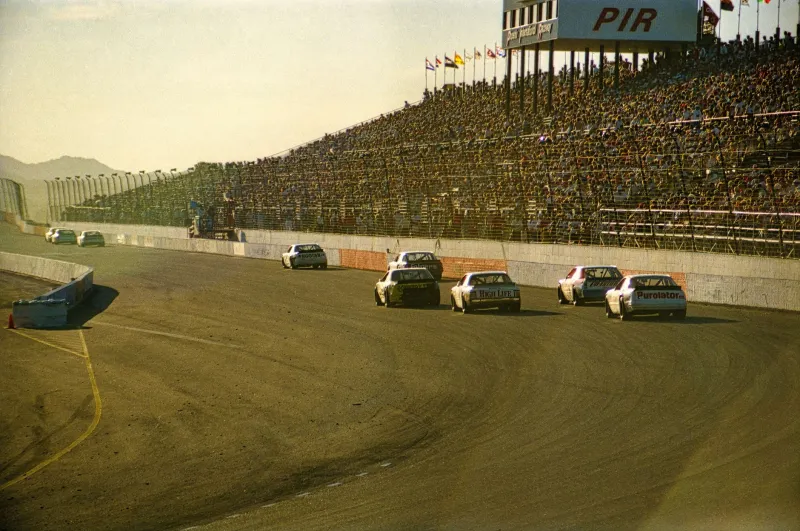
There's something that happens to a racing fan standing at a merchandise booth on the final day of a track's existence. It doesn't matter if they planned to buy anything. It doesn't matter if they've never bought a single piece of racing memorabilia in their life. When the announcer mentions that this is the last race that will ever be run here, wallets open.
That impulse isn't irrational. It's actually one of the most reliable forces in the entire collector market, and the merchandise that gets swept up in it has a track record — no pun intended — of holding and building value in ways that regular race-day merchandise simply doesn't.
The Psychology of the Final Lap
Human beings are wired to memorialize endings. We take photos at the last day of a job, keep ticket stubs from farewell tours, hold onto things that mark the close of an era. Racing fans are no different, and when a beloved track runs its final event, or a legendary series format is retired, or a circuit closes its gates for the last time, the merchandise sold that day absorbs a weight that ordinary souvenirs don't carry.
This isn't sentimentality clouding judgment — it's the market correctly pricing in scarcity. The t-shirt sold at the final race at a closed track isn't just a shirt. It's a physical artifact from a specific, unrepeatable moment. There will never be another race at that track. There will never be another opportunity to buy merchandise at that location under those circumstances. The supply is permanently fixed at whatever was sold that day, and it's been fixed since the moment the gates closed.
Collectors who understand this buy with purpose. Casual fans who bought on impulse often don't realize what they have until years later, which is exactly when collectors start knocking on doors.
North Wilkesboro and the Anatomy of a Farewell Market
North Wilkesboro Speedway in North Carolina ran its final NASCAR race in 1996 before going dark for nearly three decades. The merchandise sold at that final event — programs, t-shirts, hats, anything with the track's name and that specific race date — became collectible almost immediately. Within a few years, items that had sold for single digits at the booth were trading for multiples of that in the secondary market.
When the track was revived for the 2023 NASCAR All-Star Race, something interesting happened. The revival created a new wave of interest in the original farewell merchandise. Collectors who had been sitting on 1996 North Wilkesboro gear found that the track's return — and the cultural conversation it generated — had actually increased demand for the original closing-era items. The revival reminded people that the track had a history, and that history had a specific end point, and that end point had merchandise attached to it.
That's a pattern worth noting. Track revivals and format returns don't diminish the value of farewell merchandise — they tend to amplify it by renewing public interest in the original era.
Format Changes and Series Transitions
It's not just track closures that trigger this dynamic. Format changes within a series can have the same effect, particularly when the change is significant enough to mark a genuine before-and-after moment in the sport's history.
When NASCAR restructured its points system and race format in ways that fundamentally changed how championships were decided, merchandise from the final events under the old format took on a specific historical identity. Collectors who recognized the transition as a genuine era boundary — not just a rule tweak — positioned themselves ahead of the broader market.
The same logic applies to manufacturer exits. When a major automotive brand pulls out of a racing series, the final-season merchandise associated with that manufacturer's involvement becomes a record of something that no longer exists. The last year a particular brand competed in a particular series is a finite, documentable moment, and the gear from that year carries that specificity permanently.
What to Buy and What to Skip
Not all farewell merchandise is created equal, and buying indiscriminately at a final event isn't a strategy — it's just spending money. Here's how to think about it.
Official track-issued merchandise outperforms generic. Items specifically branded with the track name, the race date, and ideally some acknowledgment of the event's finality are the ones that carry long-term weight. Generic sponsor merchandise from the same event might be from the same day, but it doesn't carry the same provenance.
Limited production runs are worth the premium. When a track or series produces a specific commemorative run for a final event — numbered prints, limited-edition programs, specially marked merchandise — the production cap is built in from the start. Pay the premium. The cap is the point.
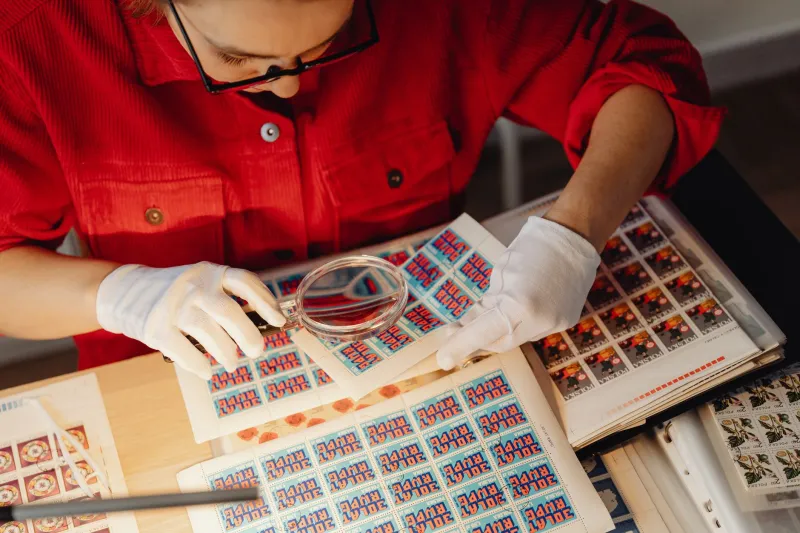
Programs and printed materials hold up. Race programs from final events are among the most consistently appreciating pieces of racing memorabilia, period. They're date-specific, they're produced in finite quantities, and they document the event in a way that a t-shirt doesn't. If you're only going to buy one thing at a farewell event, make it the program.
Condition matters more at the margins. Because the total supply of farewell merchandise is fixed, condition becomes a more significant differentiator over time. Two collectors both holding programs from the same final race will see very different trajectories if one is mint and one is beat up. Protect what you buy.
Building a 'Last Lap' Collection
There's actually a coherent collection strategy built around this principle — acquiring merchandise specifically from final events, farewell races, and era-ending moments across different series and tracks. A collection built this way tells a story about American racing history through its endings, which is a genuinely distinctive curatorial angle.
It also happens to be a strategy with a built-in appreciation mechanism. Every item in a 'last lap' collection carries permanent scarcity. The supply never increases. The only direction is demand, and demand for documented moments in racing history has a consistent long-term trajectory.
Here at Last Lap Corner Store, the name isn't an accident. We've always believed that the final moments of something — a race, a season, an era, a track — are where the most meaningful objects get created. The collectors who've built their best pieces around that idea are the ones we see coming back year after year, confident in what they own and clear about why they own it.
The next final race is out there. The question is whether you'll be at the merchandise booth when it happens.