Wrenches Over Helmets: The Quiet Rise of Pit Crew Gear in Serious Collections
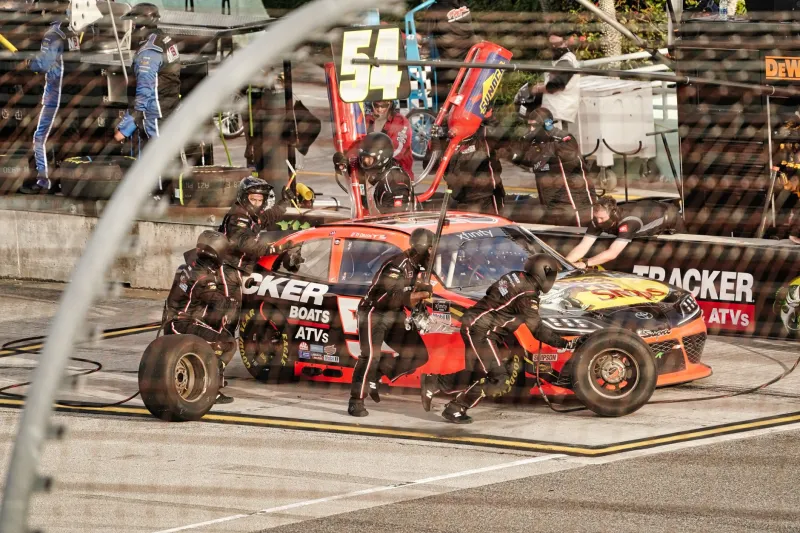
There's a moment in every great race where the driver gets all the glory. They cross the finish line, climb out of the car, spray the champagne. The crew? They're already packing up the pit box. But here's the thing — in the collector market, those crew members are having the last laugh.
Pit crew gear has been quietly appreciating for years, and the collectors who figured that out early are sitting on some genuinely impressive returns. If you've been spending your budget on driver autographs and race-worn helmets, it might be time to look a little further down pit lane.
Why Crew Gear Flies Under the Radar (And Why That's Changing)
For a long time, the logic was simple: fans recognize drivers, so driver gear sells. That's still true at the entry level. Walk into any racing shop and the signed photos and replica helmets move fast. But at the higher end of the market — where collectors are thinking in terms of years and decades, not impulse buys — the calculus has shifted.
Crew gear is scarce in a way that driver gear almost never is. Think about it. A team might produce dozens of replica driver suits for promotional purposes, merchandise lines, and sponsor obligations. The crew chief's actual race-worn jacket from a championship season? There's one of those. Maybe two if he had a backup. That scarcity is baked in from the moment the item is issued, and serious collectors understand that scarcity is the engine that drives long-term value.
On top of that, pit crew roles are increasingly specialized and increasingly anonymous to casual fans. Most people couldn't name the tire carrier from a championship-winning team even if you spotted them the first letter. That anonymity has kept prices lower than they should be — which is exactly the kind of inefficiency experienced collectors love to exploit.
Case Study: The Crew Chief Effect
Look at the market for crew chief memorabilia from dominant NASCAR dynasties of the late 1990s and early 2000s. The crew chiefs who called the shots during those championship runs — the guys on the radio making strategy calls in the final laps — are increasingly recognized as the architects of those victories. Their headsets, their pit box setups, their team-issued gear from specific race weekends have started commanding prices that rival mid-tier driver memorabilia.
Part of this is a generational shift in how fans understand racing. A younger audience raised on broadcast coverage that mics up crew chiefs and shows the pit box feed in real time has developed a genuine appreciation for the tactical side of the sport. When those fans grow into collectors with real budgets, they want gear that reflects that broader understanding of what makes a race team work.
Some crew chief jackets from iconic Daytona 500 wins have sold for multiples of what similar-era driver gear from the same event fetched. The driver's jacket had a dozen comparable items in the market. The crew chief's had two.
The Pit Stop Itself as a Collectible Moment
There's another angle here that doesn't get talked about enough: the legendary pit stop as a historical event in its own right. Certain stops have entered racing folklore — the sub-two-second tire changes, the strategy calls that won championships, the stops that happened under caution and reshuffled the entire field. The gear worn by the crew members who executed those stops carries a specific provenance that driver gear from the same race simply can't replicate.
A lug nut carrier's gloves from a record-setting pit stop during a championship-deciding race isn't just memorabilia — it's a physical artifact from a specific moment that changed the outcome of a season. That's a different kind of collectible than a signed photo of the driver who drove away.
What to Look For When You're Shopping
If you're thinking about adding crew gear to your collection, a few things are worth keeping in mind.
Documentation matters more than usual. Because crew gear doesn't carry the same name recognition as driver items, provenance documentation is everything. Look for gear that comes with team authentication, photographic evidence of race use, or direct chain-of-custody from the team itself. The more specific the documentation — ideally tied to a particular race weekend or event — the better.
Roles carry different weight. Crew chief gear commands the highest premiums, followed by the over-the-wall crew (tire changers, tire carriers, jackman) from high-profile events. General team staff gear is more common and doesn't appreciate at the same rate. Know who wore what before you commit.
Team era matters. Gear from dominant team eras — championship dynasties, record-setting seasons, historic manufacturer partnerships — carries more weight than gear from average seasons. A mechanic's uniform from a team's title-winning year is categorically different from the same team's gear from a rebuilding season.
Condition is relative. Unlike driver gear, where some collectors prefer pristine pieces, crew gear that shows genuine race use — grease stains, tire rubber, the physical evidence of actual work — can actually enhance authenticity and value. A spotless crew jacket is suspicious. A well-worn one tells a story.
The Long Game
Here at Last Lap Corner Store, we've been watching this segment of the market for a while, and the trajectory is pretty clear. As racing history gets documented more thoroughly, as broadcast coverage continues to humanize the people behind the pit wall, and as the overall collector market matures, pit crew gear is going to keep climbing.
The window where you can still find quality pieces at prices that feel like a deal is closing. Not tomorrow, not next month — but it's closing. The collectors who've already positioned themselves in this space aren't rushing to tell everyone else about it, for obvious reasons.
But the gear is out there if you know where to look and what questions to ask. And when everyone else is still fighting over the same driver helmets, the crew gear collectors are going to be the ones with something genuinely rare on their shelf.