When the Engine Goes Quiet: The Strange Economics of Collecting Gear After a Driver's Final Race
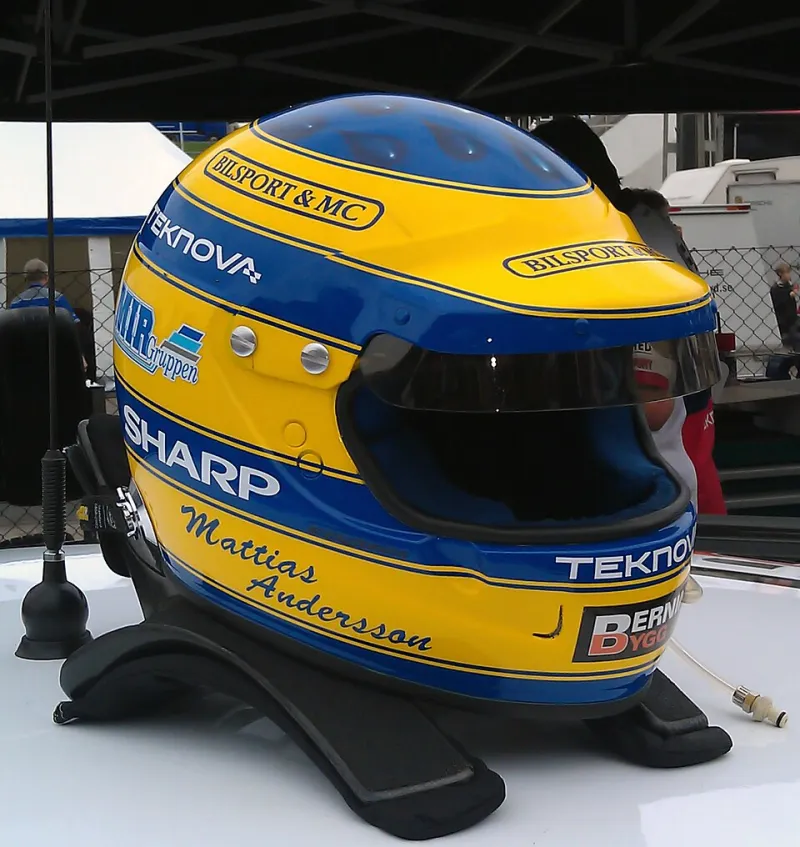
Photo: Green Yoshi, CC BY-SA 3.0, via Wikimedia Commons
Here's something that trips up a lot of newer collectors: the most valuable piece of gear a driver ever touches might not be the firesuit from their title-winning season. It might be the jacket they wore during a forgettable mid-pack finish in their final year — the one nobody was paying much attention to at the time.
Welcome to what we like to call the Last Lap Paradox. The moment a driver steps away from the sport, the supply of anything connected to them freezes permanently. No new autograph sessions at the track. No fresh merchandise runs. No more race-used equipment hitting the secondary market from future seasons. The pipeline closes, and everything already out there suddenly becomes the whole story.
That's a powerful economic shift — and it happens almost overnight.
Supply Stops, Demand Doesn't
Think about how memorabilia markets actually work during a driver's active career. Gear is constantly entering circulation. New helmets each season, updated firesuits, fresh sponsor deals that generate new merchandise lines. Fans can always wait for the next event, the next signing, the next limited-edition drop. There's a rhythm to it, and that rhythm keeps prices from running too hot.
Retirement breaks that rhythm completely.
When a driver announces they're done — whether it's a planned goodbye lap or an abrupt exit — collectors who were casually interested suddenly get serious. The psychology shifts from I'll grab something eventually to this is my last real chance. That urgency is real, and markets respond to urgency the same way they always do: prices move up.
What's interesting is that this dynamic tends to hit retirement-era gear hardest. Championship merchandise already has an established collector base and a defined ceiling. But the final season stuff? That's often underpriced going in, because nobody was treating it like a historic artifact yet. Collectors who move fast on that window tend to get the best of both worlds — emotional significance and entry-level pricing that won't last.
The Closure Effect
There's a human element here that pure economics can't fully explain. Motorsports fans form deep, long-running connections with the drivers they follow. A career arc spanning a decade or more becomes part of a fan's own life story — the races watched with family, the near-misses, the comeback seasons, the championships that felt personal even from the grandstands.
Retirement triggers something like grief, and grief has a well-documented way of making people want to hold onto something tangible. A piece of gear from a final season isn't just merchandise. It's a physical marker of closure, a way to say I was here for this, and I have something to prove it.
That emotional weight doesn't diminish over time. If anything, it deepens. Which is exactly why retirement-era pieces tend to appreciate steadily rather than spiking and falling back — the sentimental value compounds as the years stack up and the driver's legacy gets written in full.
Case Studies Worth Knowing
Look at the broader pattern across American motorsports history and you'll find this dynamic playing out repeatedly.
Drivers who spent years as household names in NASCAR, IndyCar, and sports car racing have all followed a similar arc: championship-era gear sells briskly during and immediately after the title season, then plateaus as the market absorbs available supply. Final-season gear, by contrast, often sits quietly for a year or two post-retirement before collectors start competing for it seriously.
The sweet spot for buyers is usually that quiet window — after the retirement announcement, before the broader market catches up to what's actually scarce. Once a driver starts showing up in retrospective features, anniversary coverage, and Hall of Fame conversations, the prices on their late-career material tend to jump in a hurry.
Drivers who retired after long careers without a championship often tell an even more interesting story. Their gear never commanded top dollar during active years, which means retirement-era pieces entered the secondary market at accessible price points. For collectors who recognized the cultural weight of those careers — the longevity, the fan base, the racing miles — those pieces represented genuine value hiding in plain sight.
What to Actually Look For
If you want to apply this logic practically, a few categories consistently outperform at the post-retirement stage.
Final-season race-used equipment tops the list. Helmets, firesuits, gloves, and HANS devices from the last year of competition carry the most direct connection to the career's endpoint. Provenance matters here — documentation tying a piece to a specific late-career race adds meaningful premium.
Retirement announcement merchandise is worth watching too. Many drivers or their teams release limited farewell gear tied to the announcement itself. These runs are almost always smaller than standard merchandise drops, and they sell to an audience that's emotionally primed to buy. Secondary market prices on these pieces tend to climb steadily.
Team-issued items from final contracts round out the category. Crew gear, garage passes, and team-branded equipment from a driver's last contracted season often flies under the radar compared to driver-specific merchandise, but it tells the same story with less competition from other collectors.
Timing Is Everything
The honest truth is that the Last Lap Paradox rewards people who stay close to the sport and move quickly. By the time a retirement is the lead story on every motorsports podcast and fan site, the best pieces are already gone or repriced.
That's exactly why having a shop in your corner — one that tracks the market, knows which drivers are winding down, and can flag opportunities before they become obvious — makes a real difference. At Last Lap Corner Store, we pay attention to these moments because we know our customers aren't just buying merchandise. They're building collections that mean something, and timing those acquisitions right is half the game.
The engine goes quiet. The clock starts. The collectors who understand that dynamic are the ones who end up with the pieces everyone else wishes they'd grabbed when they had the chance.
Don't be the fan who waits for the retrospective. Be the one who already has the gear hanging on the wall when it airs.