Why Serious Collectors Are Ditching the Cart Button for the Counter
There's a moment every serious racing collector knows. You're scrolling through a product listing at midnight, squinting at a photo that might show a genuine race-used glove or might show a convincing replica from a manufacturer you've never heard of. The description says 'authenticated.' The price feels right. And still, something in your gut pumps the brakes.
That feeling — that nagging uncertainty — is exactly why a growing number of dedicated fans are closing their laptops and walking into shops like Last Lap Corner Store instead.
The Problem With Buying History Through a Screen
Online retail transformed how Americans shop for just about everything, and for a while, racing memorabilia followed the same trajectory. Why drive across town when you could browse thousands of listings from your couch? It made sense — until it didn't.
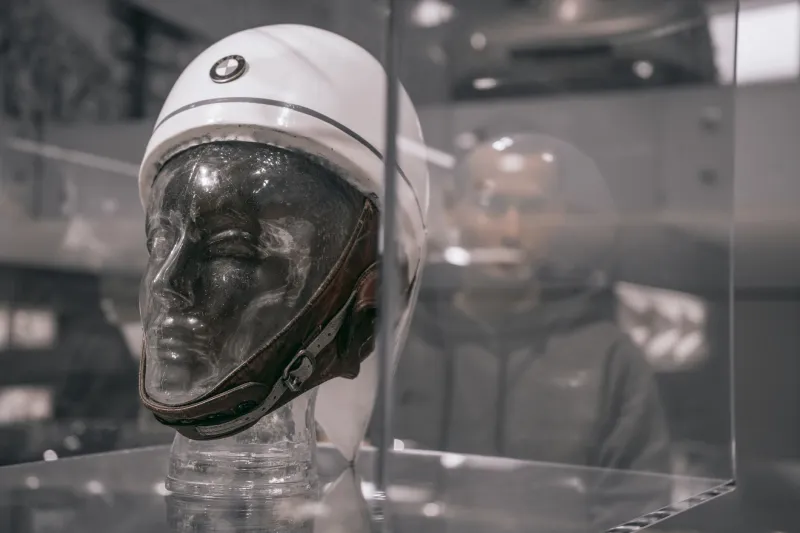
The trouble with motorsports collectibles is that the details matter enormously. A helmet worn during a championship run carries a completely different energy than a display replica, and no product photo captures that distinction reliably. Stitching patterns, wear patterns, material texture, the faint smell of fire-retardant fabric — these are the sensory cues that experienced collectors rely on, and they simply don't transmit through a JPEG.
Authentication in the racing world is also considerably murkier than in, say, baseball card collecting. There's no universal grading standard with the kind of institutional muscle that backs mainstream sports memorabilia. That ambiguity creates real risk when you're buying remotely from a seller whose reputation lives entirely on a star rating.
What Hands-On Shopping Actually Gives You
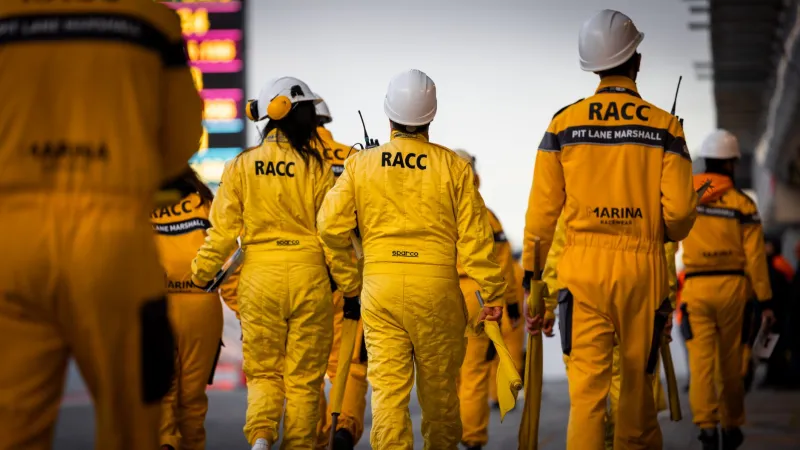
Walk into a well-run independent racing shop and the experience is fundamentally different from clicking through a website. You can hold a vintage driving glove and feel whether the leather has the specific breakdown that comes from actual use. You can examine a pit crew jacket under proper lighting and check whether the sponsor patches were applied during the team's active season or stitched on afterward.
More than the physical inspection, though, you get access to knowledge. The staff at independent motorsports retailers typically aren't just employees — they're fans who've been deep in the hobby for years. They know which series produced which types of gear, which teams used which suppliers, and which red flags suggest a piece has been misrepresented. That kind of institutional knowledge is genuinely hard to replicate in a FAQ section.
At Last Lap Corner Store, conversations at the counter regularly go sideways in the best possible way — a customer comes in looking for one thing and leaves an hour later having learned about three entirely different collecting categories they'd never considered. That's not a customer service script. That's what happens when people who love racing talk to other people who love racing.
Community Is the Real Product
Here's the part the algorithm can't replicate: the community that forms around a physical shop.
When you're a regular at an independent racing retailer, you start running into the same faces. The guy who specializes in open-wheel memorabilia. The couple who focuses exclusively on short-track NASCAR history. The retired mechanic who actually worked pit lane in the nineties and can spot a fake faster than most people can read a description. These connections don't happen in a comment section.
Collecting communities built around physical spaces develop their own culture, their own shorthand, and their own trust networks. When someone in that circle says a piece is legitimate, their reputation is on the line in a way that an anonymous online seller's simply isn't. That social accountability changes everything.
Group buys, informal appraisal sessions, and impromptu show-and-tells happen naturally in shops that cultivate this kind of atmosphere. Collectors learn faster, authenticate more confidently, and generally have more fun with the hobby when they're embedded in a real community rather than browsing in isolation.
The Trust Factor Is Non-Negotiable
Spend any time in serious collecting circles and you'll hear the same concern repeated: the online market for racing memorabilia has a fakes problem. It's not universal, and there are absolutely reputable online dealers doing excellent work. But the sheer volume of listings, combined with inconsistent authentication standards, creates an environment where buyers need to be perpetually skeptical.
In-person shops operate under a different set of pressures. Their reputation is local, visible, and accumulated over years of face-to-face transactions. A shop that moves questionable merchandise doesn't just lose a customer — it loses its standing in a community where word travels fast. That accountability creates a powerful incentive to get provenance right.
For collectors who are spending real money on pieces with genuine historical significance, that accountability isn't a bonus feature. It's the baseline requirement.
The Shift Is Already Happening
Talk to independent racing retailers around the country and many will tell you the same thing: after years of competing against e-commerce convenience, they're seeing customers return — and not just casual browsers. The people coming back are serious collectors who tried the online route, got burned or got lucky, and decided they'd rather build a relationship with a shop they can trust.
That shift reflects something deeper than nostalgia. It reflects a maturing hobby where the stakes have gotten high enough that convenience alone no longer justifies the risk. When you're chasing pieces with real historical weight — gear from landmark races, equipment from legendary careers — you want to make the call with your own hands on the merchandise and a knowledgeable voice in your ear.
The cart button will always be there. But for the collectors who take this seriously, the counter is where it really happens.