More Collection Than Wall Space: A Practical Playbook for Rotating Your Racing Memorabilia Without the Headache
At some point, every serious collector hits the wall. Literally. You've got a helmet that deserves a spot on the shelf, three framed suits competing for the same section of drywall, and a box of signed memorabilia in the closet that you haven't looked at in eight months. The collection kept growing. The room didn't.
This is one of the most common — and least talked about — problems in the racing memorabilia world. Everyone loves discussing what to buy. Almost nobody talks about what to do with it all once you've got it.
We tracked down collectors who've wrestled this problem to the ground and come out the other side with systems that actually work. Here's what they've figured out.
Accept the Reality of Rotation
The first mental shift is accepting that not everything can be on display at once — and that this is fine. In fact, some collectors argue it's better. When you rotate pieces in and out of display, you see each item fresh. The helmet that's been on the shelf for two years becomes wallpaper. Pull it down, store it properly, put something else up, and when that helmet comes back out six months later, you'll actually look at it again.
"I stopped trying to display everything at the same time about five years ago," says a collector from Michigan who focuses on open-wheel memorabilia. "Now I run a seasonal rotation — roughly every three months I swap out a third of what's on display. I actually enjoy my collection more than I did when everything was crammed in trying to fit."
Think of it the way museums handle their permanent collections. The Smithsonian doesn't put everything in storage it doesn't care about — it rotates pieces strategically so that what's on the floor always feels intentional and curated.
Build a Rotation Schedule That Works for You
There's no single right answer for how often to rotate, but having a schedule — even a loose one — beats letting things drift. A few approaches that collectors have found useful:
Season-based rotation ties your display to the racing calendar. When the season kicks off, swap in current-era pieces and fresh acquisitions. When things wind down in the fall, bring out vintage items and classic memorabilia that fit a more reflective mood.
Theme-based rotation works especially well for collectors with diverse holdings. Dedicate a period to a single driver, team, or era. Pull everything related to that theme, put it on display together, and let it tell a cohesive story before rotating to the next theme.
Acquisition-triggered rotation is exactly what it sounds like — every time a significant new piece comes in, something comes down to make room. This keeps the collection feeling alive and prevents display fatigue.
Storage That Doesn't Compromise Your Pieces
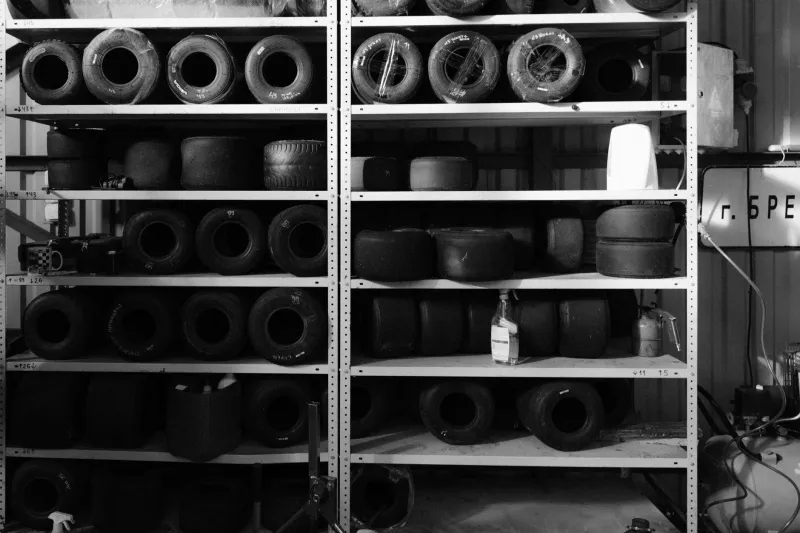
Proper storage isn't glamorous, but it's where collections are protected or quietly damaged. A few fundamentals that serious collectors swear by:
Helmets should be stored in individual bags or cases, away from direct light and significant temperature swings. Avoid stacking — even padded stacking over time can deform liners.
Framed pieces should be stored vertically, never flat, and ideally in a climate-controlled environment. UV-filtering glass or acrylic in the frame itself matters even in storage if there's any ambient light exposure.
Signed flat items — photos, cards, programs — benefit from acid-free sleeves and rigid backing boards stored in archive boxes. The investment in proper archival materials is modest compared to what the pieces are worth.
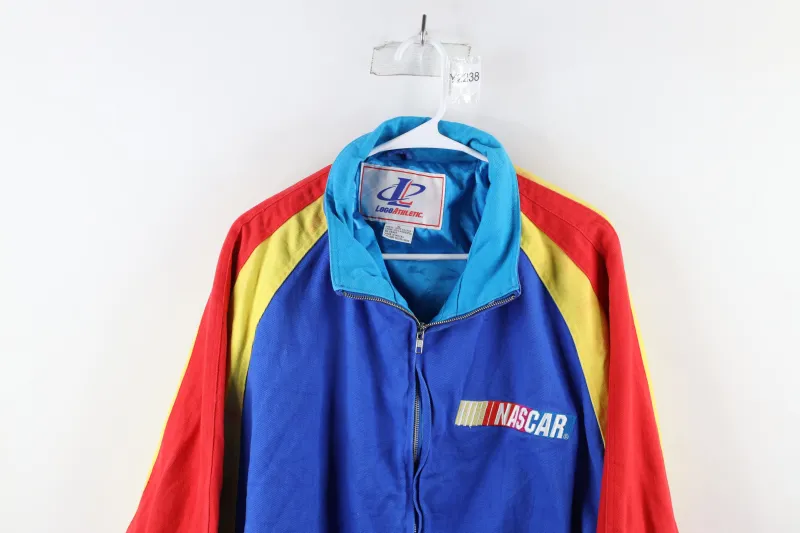
Fire suits and soft goods should be hung when possible, not folded. Long-term folding creates permanent creases and can stress the Nomex fibers. A dedicated garment rack in a cool, dry space works well for collectors with multiple suits.
Document What You Can't See
Here's a habit that separates organized collectors from overwhelmed ones: photograph everything, including what's in storage. A well-organized photo library of your entire collection — not just what's on display — does several things at once.
It keeps you connected to pieces you can't currently see. It's invaluable for insurance purposes. And it makes rotation planning dramatically easier, because you can scroll through your inventory and decide what deserves to come out next without digging through boxes.
"I photograph every piece when it comes in and again before it goes into storage," says a collector from Texas who has been building his collection for over two decades. "Condition documentation, a few detail shots, any authentication paperwork photographed alongside it. Takes maybe ten minutes per item. Has saved me more than once."
For collectors who want to go further, a simple spreadsheet or even a dedicated collecting app can track condition, provenance, estimated value, and current location — on display or in storage, and where.
The Psychology of Enjoying What You Can't Display
This is the part nobody really talks about: the low-grade guilt of knowing you have pieces you love sitting in boxes. It's a real thing, and it can take some of the joy out of the hobby if you let it.
A few reframes that experienced collectors have found genuinely helpful:
Think of storage as a waiting list, not a graveyard. Every piece in a box is queued up for its moment on the wall. That reframing shifts the feeling from neglect to anticipation.
Schedule time to visit your storage pieces. Pull out a box, go through items, handle them, appreciate them. It doesn't have to be a full reorganization — just a reconnection. Many collectors find this more satisfying than staring at the same display every day.
Share what you can't display. Online communities, collector forums, and social media give you a way to show off pieces that are currently in storage. The response from fellow enthusiasts scratches the same itch as a great display without requiring wall space.
Curate, Don't Just Accumulate
Finally, the most effective long-term solution to the too-much-collection problem is the hardest one: be more selective about what comes in. The collectors with the most satisfying setups tend to be the ones who've learned to pass on good pieces in favor of waiting for great ones.
That's a harder discipline than it sounds when you're standing in a shop and something cool is right in front of you. But a collection of 30 pieces you truly love, displayed with intention and rotated thoughtfully, will always feel better than 200 pieces fighting for attention.
The wall space is finite. The passion doesn't have to be.