Real Deal or Retro Fake? A No-Nonsense Guide to Authenticating Racing Memorabilia
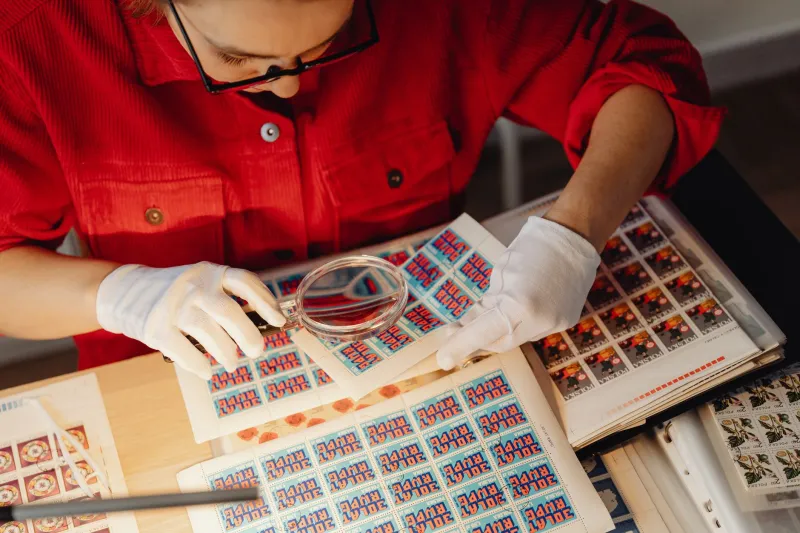
Shopping for vintage racing memorabilia should feel like a treasure hunt. Sometimes it does. But every so often, that "rare 1970s pit crew jacket" or "original Daytona program" turns out to be a reproduction that's about as vintage as a brand-new set of Michelins. The difference between the two can be thousands of dollars — and a whole lot of disappointment.
The good news is that spotting the difference isn't as hard as sellers of fakes would like you to believe. It takes a little knowledge, a little patience, and a willingness to ask the uncomfortable questions before you hand over your credit card number. Let's break it down.
Understanding the Landscape: Vintage, Vintage-Inspired, and Outright Fake
First, it helps to understand that not everything in the "retro" space is trying to deceive you. The market for racing memorabilia actually breaks into a few distinct categories:
Genuine vintage pieces are items produced during the era they represent — a 1969 race program, a fire suit worn in the 1980s, a sponsor banner from an early NASCAR season. These carry historical authenticity and, typically, real collector value.
Licensed reproductions are officially sanctioned reprints or replicas — things like commemorative die-cast runs, reissued team apparel, or anniversary-edition posters. These are legal, often clearly labeled, and can be worth owning, but they're not originals.
Vintage-adjacent or "retro" merchandise is modern gear designed to look old — faded graphics, worn-in styling, throwback logos. Again, nothing inherently wrong with it, but it's not vintage.
Counterfeits are a different story entirely: items deliberately misrepresented as authentic originals, often with fraudulent signatures or manufactured provenance. These are what you're really trying to avoid.
Start With the Materials
Old stuff feels old. That sounds obvious, but it's one of the most reliable starting points when evaluating a piece.
Paper items — programs, press passes, posters, ticket stubs — should show appropriate aging. Look for yellowing, brittleness at the edges, and ink that's slightly faded or absorbed into the paper rather than sitting on top of it. Modern reproductions often use brighter, crisper printing on paper stock that's a little too clean and uniform.
Textile items like jackets, patches, and team apparel are trickier but still readable. Genuine vintage fire suits and pit crew gear were made with specific materials that changed significantly over the decades. Early Nomex suits from the 1970s have a distinct texture and weight. Embroidered patches from that era used thread types and backing materials that are hard to replicate cheaply. Run your fingers over the stitching — reproduction patches often have a machine-perfect regularity that real vintage embroidery doesn't.
Metal items — trophies, badges, and hardware — should show oxidation patterns consistent with age. Patina on genuine old metal develops unevenly and organically. A piece that looks uniformly "antiqued" has often been treated to appear old on purpose.
Read the Markings Like a Mechanic Reads a Gauge
Every era of manufacturing left its own fingerprints. Learning to read production markings is one of the most powerful tools in a collector's toolkit.
For apparel, check the care label. The style, font, and content of clothing tags changed dramatically across decades. A piece claiming to be from the early 1980s but sporting a care label with metric sizing or modern fiber content descriptions is a red flag. The Federal Trade Commission didn't require fiber content labels on clothing until 1971, and the format of those labels has evolved considerably since.
For printed materials, look at the printing method. Offset lithography, the dominant process for race programs and posters through most of the 20th century, produces a slightly different visual texture than modern digital printing. Hold a piece up to a raking light — genuine vintage offset printing often shows a very subtle plate impression.
For signed items, study the signature itself. Collector communities maintain extensive records of how specific drivers signed their names throughout their careers — the slant changed, the pressure changed, the pen type changed. Cross-reference any signature against documented examples before committing.
Provenance: The Paper Trail That Matters
Authentic pieces often come with a history. Who owned this before? Where did it come from? Can that story be verified?
A reputable seller should be able to provide at least some provenance — an auction record, a letter of authenticity from a recognized organization, a documented chain of ownership. That doesn't mean every legitimate piece has a perfect paper trail (plenty of genuinely old items surface from estate sales and storage units with no documentation at all), but a seller who gets defensive or vague when you ask about history deserves extra scrutiny.
Third-party authentication services like PSA, JSA, and Beckett are well-established in the sports memorabilia world and have expanded into motorsports. For high-dollar items — anything over a few hundred bucks — it's worth the cost of a professional opinion.
Navigating Online Marketplaces Without Getting Burned
eBay, Whatnot, and various specialty auction platforms are legitimate hunting grounds, but they require a different level of vigilance than buying in person.
Always request additional photos — closeups of labels, signatures, stitching, and any wear. A seller with nothing to hide will send them without complaint. Read feedback carefully, paying attention to comments from other buyers who purchased similar items. And never let urgency pressure you into skipping due diligence. That "rare" piece will still be rare in 48 hours after you've done your research.
When Retro Is Actually Worth It
Here's the thing — not every purchase needs to be a museum-grade original. A well-made, officially licensed retro piece can be a genuinely satisfying addition to a collection, especially when it commemorates an era or driver you love. The key is knowing what you're buying and paying a price that reflects it.
At Last Lap Corner Store, we're big believers in transparency. Whether you're after a legitimate vintage find or a sharp-looking throwback piece for your garage wall, the goal is always the same: know what you've got, love what you've got, and never pay original prices for something that isn't.
The real stuff is out there. You just have to know how to find it.