From the Pit Wall to the Street Corner: Why Racing Crew Gear Is Having a Major Fashion Moment
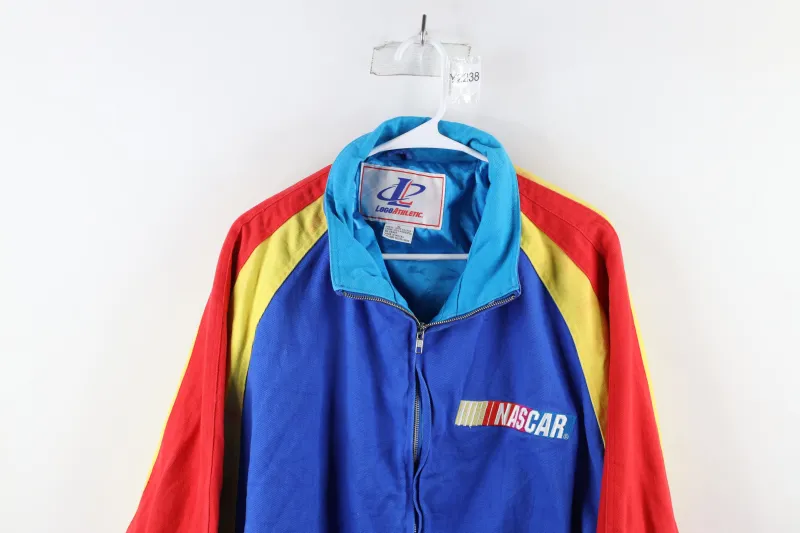
Photo: NASCAR pit crew jacket vintage racing team apparel streetwear, via media-assets.grailed.com
Somewhere between a Supreme drop and a vintage NASCAR haul, something interesting happened. The gear that pit crews have worn for decades — fire-resistant jackets, branded crew shirts, team-issued polos with sponsor logos stacked like a NASCAR hood — stopped being purely functional workwear and became, against all odds, genuinely cool.
Walk through any major city's vintage market right now and you'll spot it. A worn-in Hendrick Motorsports crew jacket hanging between a Carhartt and a Patagonia. A Pennzoil-branded team shirt folded neatly next to deadstock flannels. The people buying it aren't necessarily die-hard racing fans. Some of them couldn't tell you the difference between a lug nut and a lug wrench. But they know a good-looking piece of workwear when they see one.
The Functional Aesthetic That Fashion Couldn't Ignore
Pit crew apparel was designed with one priority: keeping people safe and identifiable while working at insane speeds in chaotic conditions. Nomex fire-resistant fabric, bold sponsor graphics, team colors coded for quick identification — none of it was designed with a runway in mind. And maybe that's exactly why it works so well as fashion.
There's a long tradition in American streetwear of lifting utilitarian workwear and recontextualizing it. Dickies work pants, Carhartt canvas jackets, mechanic's shirts with name patches — all of it followed the same path from function to fashion. Racing crew gear is just the latest chapter in that story, and it comes with an added layer of cultural cachet that most workwear doesn't have: the association with speed, competition, and a very specific American mythology around motorsports.
The graphics don't hurt either. Vintage crew gear from the '80s and '90s in particular features sponsor logos and team branding that look, by today's design standards, almost impossibly good. Big block lettering, aggressive color blocking, oil company logos that graphic designers now study in school — it's a visual language that hits differently when you're not looking at it through the lens of a race broadcast.
Official Crew Gear vs. Fan Replicas: Knowing What You're Actually Buying
This is the conversation that matters most for anyone getting into this niche. There's a significant difference between gear actually issued to working pit crew members and the replica fan merchandise sold at tracks and through official retail channels.
Authentic crew-issued apparel — the stuff a jackman or tire carrier actually wore during a race — is produced in small quantities, fitted to specific individuals, and often bears internal markings like team-issued lot numbers, individual sizing notations, or subtle construction details that distinguish it from consumer versions. This gear shows up occasionally at estate sales, through retired crew members selling off old stock, or via team auctions. It's rarer, harder to verify, and when it's the real thing, commands prices that reflect that.
Fan replica gear, by contrast, is produced at scale and sold through licensed retail channels. It looks close to the real thing — sometimes very close — but it's consumer merchandise, not workwear. That doesn't make it worthless. Officially licensed replica crew jackets and shirts from major teams are still legitimate collectibles, especially when tied to specific eras or championship seasons. But serious collectors know the difference, and the market prices accordingly.
The practical advice: if someone is selling you "actual crew-worn" gear without documentation, photos, or a verifiable chain of ownership, treat it as replica pricing until proven otherwise.
Who's Actually Buying This Stuff
The buyer profile for pit crew apparel has shifted noticeably over the last several years. It used to be almost exclusively hardcore racing fans — people who could tell you exactly which race a specific jacket came from and which crew member wore it. That collector base is still very much alive and active.
But alongside them, a younger, fashion-first demographic has entered the market. These buyers are drawn in through vintage clothing culture, through the broader revival of '90s and early 2000s aesthetics, and through the crossover appeal that motorsports has been building with music, art, and lifestyle communities. Formula 1's Netflix-driven popularity surge opened a lot of doors for motorsports culture generally, and some of that energy has trickled down into American series merchandise as well.
For this newer audience, authenticity matters — but it's authenticity in a slightly different sense. They want gear that's genuinely connected to real racing culture, not a Halloween costume version of it. That's actually good news for the collector market, because it pushes demand toward legitimate pieces and away from the cheap imitation stuff.
What Makes a Piece Worth Collecting
If you're looking to build a collection of crew apparel that holds value and tells a real story, a few factors consistently separate the worthwhile from the forgettable:
Era specificity. Gear from the peak sponsorship era of American motorsports — roughly the late '80s through the mid-2000s — carries the most visual punch and the strongest collector interest. The sponsor logos from that period (tobacco companies, oil brands, old-school automotive suppliers) are no longer reproducible on new merchandise, which makes original pieces genuinely irreplaceable.
Team and driver association. A generic sponsor jacket is interesting. A jacket tied to a championship-winning team's pit crew during a specific season is a whole different conversation. The closer the connection to a notable moment or figure, the stronger the collectible case.
Condition and completeness. Patches intact, zippers working, no significant fading or damage. Crew gear that's been worn hard can still be collectible, but pristine examples command a meaningful premium.
Provenance documentation. Any paperwork, photos, or direct connection to a specific crew member or team that can be verified adds real value. This is the hardest thing to come by and the most valuable when you find it.
The Corner Store Perspective
Pit crew apparel sits at one of the most interesting intersections in the racing merchandise world right now — functional history, visual design culture, and genuine collectibility all rolled into one category. Whether you're a lifelong racing fan who grew up watching pit stops or someone who just appreciates a well-constructed piece of workwear with a great story behind it, there's something in this niche worth paying attention to.
The gear that kept crews safe under race conditions for decades is now keeping collectors and fashion enthusiasts equally engaged. Not a bad second career for a Nomex jacket.