The Quiet Damage: A Room-by-Room Plan for Keeping Racing Gear Safe at Home
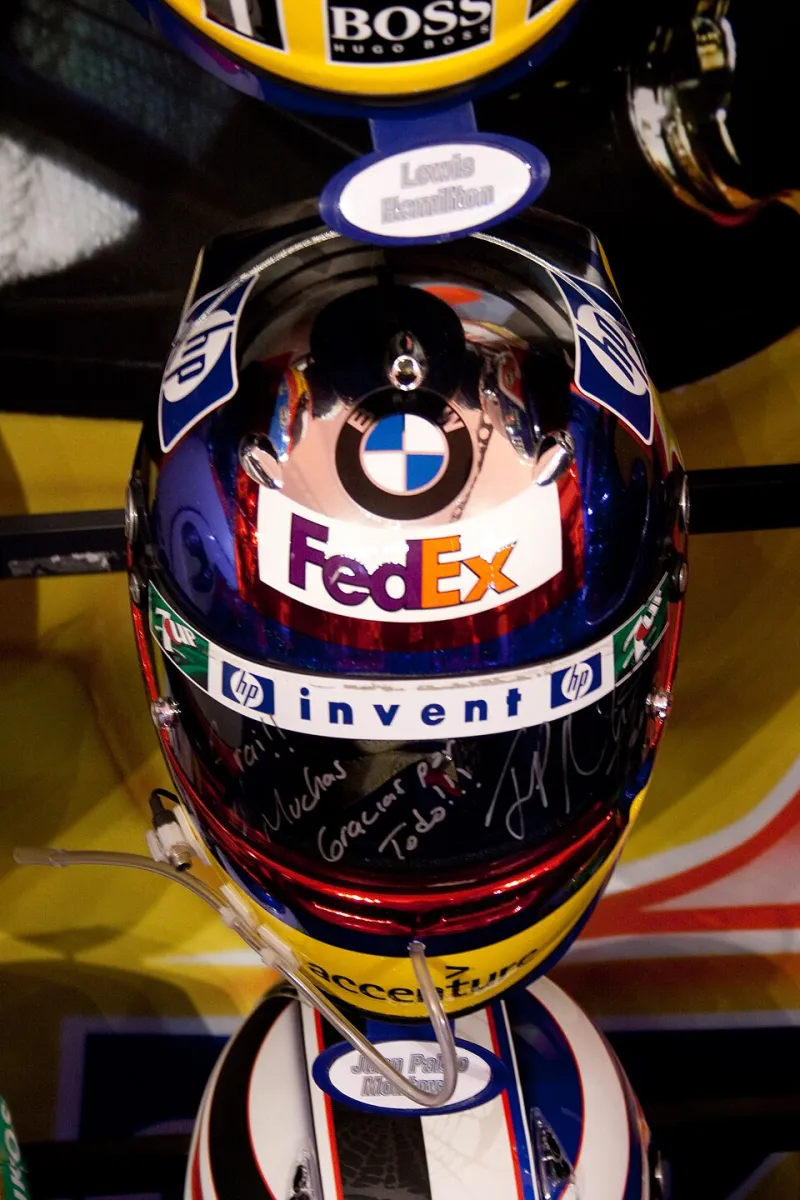
Photo: Stephen Hynds from Carfin, Scotland, CC BY-SA 2.0, via Wikimedia Commons
Most racing memorabilia does not get ruined in a dramatic accident. It gets ruined slowly — a little sun through the window, a hot summer in the garage, a damp winter in the basement. By the time the damage is obvious, the value has already slipped away. The good news is that prevention is usually simple, cheap, and adaptable to the way American homes actually work.
Start with the room, not the object. Different spaces in a US home present different risks: garages get heat and fumes, basements get moisture, attics get temperature swings, and living rooms get sunlight. Match the storage method to the space, and you will avoid most of the quiet damage that catches collectors off guard.
The garage: heat, fumes, and the sun through the window
A garage is a natural place to keep racing gear, which is exactly why it is risky. In much of the country, garage temperatures can swing from freezing in January to over 100 degrees Fahrenheit in July. That cycle stresses adhesives, rubber trim, foam liners, and vinyl. Fuel and solvent fumes can also degrade plastics and fabrics over time.
If you must store gear in the garage, keep it off the floor and away from windows. Use sealed, rigid containers for metal and die-cast items, but let textiles breathe in cotton bags or ventilated bins. Do not store a signed helmet on an open shelf where sunlight can hit it. A cabinet with solid doors is better than open wire shelving. If the garage is damp, add a dehumidifier or at least a moisture absorber, and check it regularly.
The basement: damp is the quiet enemy
Basements are common in the Midwest, Northeast, and parts of the South, and they are notorious for humidity. Paper absorbs moisture, metal rusts, and textiles can develop mildew. A finished basement with climate control is a different story, but an unfinished basement is no place for long-term storage of valuable gear.
If the basement is your only option, keep items on shelves, not on the concrete floor. Use a dehumidifier and a hygrometer to monitor relative humidity. Aim for a stable range, roughly 40 to 60 percent, and avoid drastic swings. Store paper in acid-free sleeves and boxes. Keep leather and fabric away from exterior walls, which can wick moisture. Check for signs of pests, especially near old boxes and stored clothing.
The attic: a bake oven with a ladder
Attics are the worst of both worlds: extreme heat in summer and cold in winter, often with poor ventilation. Heat can warp plastic display cases, soften adhesives, and accelerate fading. Cold can make paper brittle. If you would not store a vinyl record or a leather jacket up there, do not store racing memorabilia there either.
Use the attic for empty boxes and holiday decorations, not for helmets, suits, programs, or signed photos. If you have no choice, choose the most stable corner, use insulated containers, and inspect frequently. But in most cases, the attic is a storage space of last resort.
The living room: display without damage
Displaying racing gear is part of the fun, and a living room or den can be a good place for it — if you control light and heat. Direct sunlight is the enemy of signed helmets, framed photos, decals, and vintage suits. UV radiation fades ink, dyes, and plastics, and the damage is irreversible.
Use UV-filtering glass or acrylic for framed pieces. Keep displays out of direct sun and away from heat vents, fireplaces, and radiators. Rotate items if you want to show them off. For helmets, use a stable stand that supports the shell rather than hanging it by the chin strap. For suits and jackets, use wide, padded hangers and avoid tight plastic covers that trap moisture. A simple linen or cotton garment bag is usually better than a sealed plastic one.
Closets and storage bins: breathable, labeled, dry
A closet in a climate-controlled part of the house is often the safest storage spot for textiles and paper. Use acid-free boxes for programs and photos. Store suits and jackets flat or on padded hangers, and avoid compressing them in crowded bins. Do not store items in trash bags; they trap moisture and can off-gas. Label everything so you are not digging through boxes and handling fragile pieces more than necessary.
For small items like patches, pins, and ticket stubs, use divided archival boxes. Keep metal items dry and separate from textiles to avoid rust transfer. If you live in a coastal area, pay extra attention to salt air and humidity. If you live in the dry Southwest, watch for dust and excessive dryness, which can make leather and paper brittle.
A simple quarterly routine
Set a reminder to check your collection every three months. Look for fading, rust, mold, pest activity, and condensation. Test the dehumidifier. Replace moisture absorbers. Check that frames are not hanging in direct sun. Photograph anything new for your records, and keep receipts and provenance documents with the item.
None of this requires a museum-grade setup. It requires attention. Racing gear is built to survive speed, heat, and abuse — but it is not built to survive neglect in a spare room. A little planning goes a long way toward keeping the history intact for the next owner.