Why the Best Racing Collections Start at a Shop That Knows Your Name
There's a moment every serious collector knows. You're scrolling through a major retailer's website, clicking through pages of mass-produced die-cast cars and generic team posters, and something feels off. The inventory is massive. The prices are fine. But nothing on that screen has a story attached to it—and in racing memorabilia, the story is basically everything.
Boutique racing shops operate on a completely different philosophy. They're not trying to move ten thousand units of the same replica helmet. They're hunting. Curating. Building relationships with team contacts, estate sellers, retired mechanics, and drivers who are quietly letting go of gear they've had sitting in storage for decades. The result? Collections that look nothing like what you'd find at a chain retailer, and that hold their value in ways that mass-market merchandise simply doesn't.
The Inventory Problem Nobody Talks About
Walk into any big-box sporting goods chain or click through a major online marketplace and you'll find plenty of racing merchandise. Licensed apparel, replica helmets, officially branded accessories—it's all there, and it's all essentially identical to what every other fan can buy. That's the problem right there. When supply is unlimited, scarcity disappears, and when scarcity disappears, so does long-term value.
Boutique shops operate under a scarcity-first mindset by default. They don't have the purchasing power to stock warehouses, so they focus on what they can acquire: pieces with provenance, items with documented race history, gear that's genuinely one-of-a-kind. A small shop in the Carolinas might have a single fire suit from a journeyman NASCAR driver's final season that no major retailer even knew existed. That's not a weakness in their business model—that's the whole point.
The curation process at a boutique shop is also fundamentally different. Big retailers are buying based on licensing agreements and projected sales volume. Corner stores are buying based on what they personally believe is worth owning. That editorial judgment—the kind that comes from years of being inside the hobby—is something no algorithm can replicate.
Access That Money Alone Can't Buy
Here's something that doesn't get talked about enough: the best pieces in racing memorabilia rarely hit the open market. They move through relationships. A retired tire changer mentions to a shop owner that a former crewmate is selling some gear. A track official lets a trusted retailer know that unclaimed items from a defunct team are being liquidated. These conversations happen between people who've built trust over years, not between a corporate buyer and a licensing rep.
Boutique shops are plugged into these networks in ways that chain retailers structurally cannot be. The owner of a small racing shop in Tennessee might have been going to the same tracks for thirty years. He knows the guys who built the cars. He knows the families of drivers who passed away and left gear behind. When those pieces become available, they go to people who've demonstrated they care—not to whoever submits the highest automated bid on an online platform.
For collectors, this translates into real, tangible access. Loyal customers at boutique shops often get first calls on incoming inventory before anything goes on the floor. Some shops run informal waitlists for specific drivers or eras. Others offer personalized sourcing, where they'll actively look for a particular item a customer has been chasing for years. That kind of service doesn't exist at scale.
Condition Standards That Actually Mean Something
Not all race-used gear is created equal, and boutique shops tend to have much stricter standards about what they'll actually put on the shelf. When your reputation is built on a small, loyal customer base rather than anonymous online traffic, you can't afford to move questionable merchandise. One bad sale can cost you years of goodwill.
Major retailers, by contrast, are often moving product at volume with limited ability to authenticate or grade individual pieces. They're selling what the licensing agreement allows them to sell, not necessarily what's worth collecting. The distinction matters enormously once you start getting into vintage or race-used territory.
A good boutique shop will have a working knowledge of what wear patterns look like on authentic race-used suits versus replicas. They'll know which teams used which suppliers in which seasons. They'll notice when a helmet's interior padding doesn't match the era it's supposedly from. This institutional knowledge is built over decades of handling the real thing, and it's the kind of quality filter that protects collectors from expensive mistakes.
The Hunt Is Part of the Deal
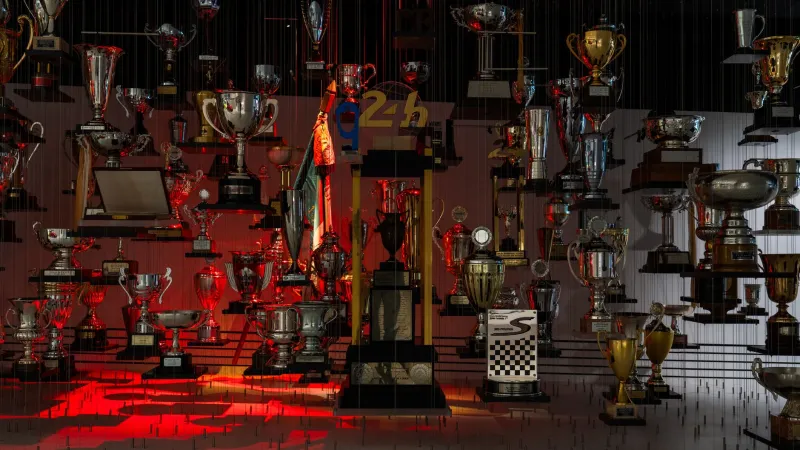
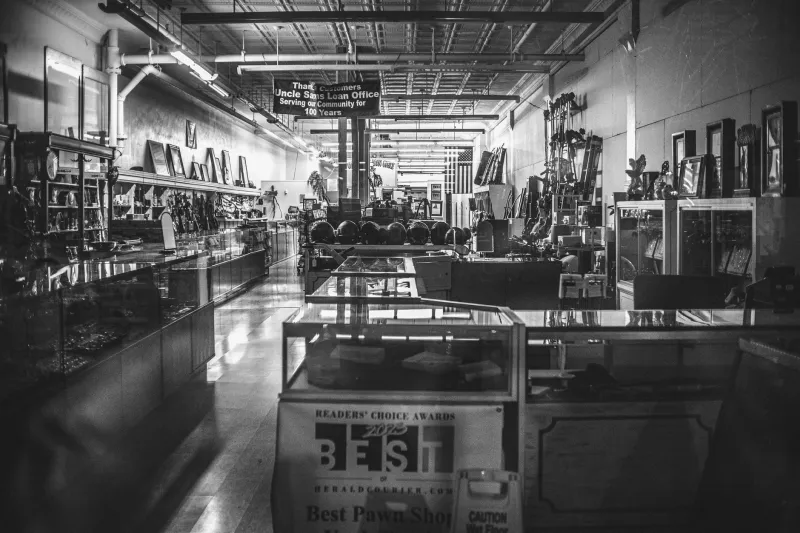
There's a cultural dimension to boutique shopping that's worth acknowledging: the experience itself is different. Walking into a well-curated racing shop is more like visiting a museum than browsing a warehouse. Items are displayed with context. Owners can tell you where something came from, who wore it, what race it was used in. That narrative layer transforms a physical object into something with genuine meaning.
For a lot of collectors, the hunt—the process of finding, vetting, and acquiring a piece—is inseparable from the enjoyment of ownership. Big-box retail collapses that process into a transaction. Boutique shops extend it into something closer to a hobby within the hobby. You might spend an afternoon talking shop with the owner, learning about a driver you'd never heard of, and leaving with a piece that means something to you in ways that a shrink-wrapped replica never could.
Some shops have started formalizing this with limited drops and pre-release events for their regulars—a handful of pieces from an estate sale, a small run of items from a team that just folded, a single signed firesuit that came in through a private contact. These events create genuine excitement in ways that a Black Friday sale never will.
What This Means for Your Collection
If you're building a collection that you actually care about—one that reflects real racing history and holds its value over time—boutique shops deserve to be your primary sourcing channel, not an afterthought. Yes, you'll spend more time. Yes, you'll need to build relationships. But the pieces you come away with will have stories, provenance, and scarcity that mass-market merchandise fundamentally cannot offer.
Think of it this way: big-box retail is where you buy the T-shirt. The corner store is where you find the piece that anchors the whole collection. Both have their place, but only one of them is going to be worth talking about ten years from now.
At Last Lap Corner Store, that's the philosophy we operate on every single day. The inventory on our floor isn't there because a licensing deal put it there—it's there because we believe in it. And when something special comes in, our regulars hear about it first. That's not a marketing strategy. That's just how good collecting works.