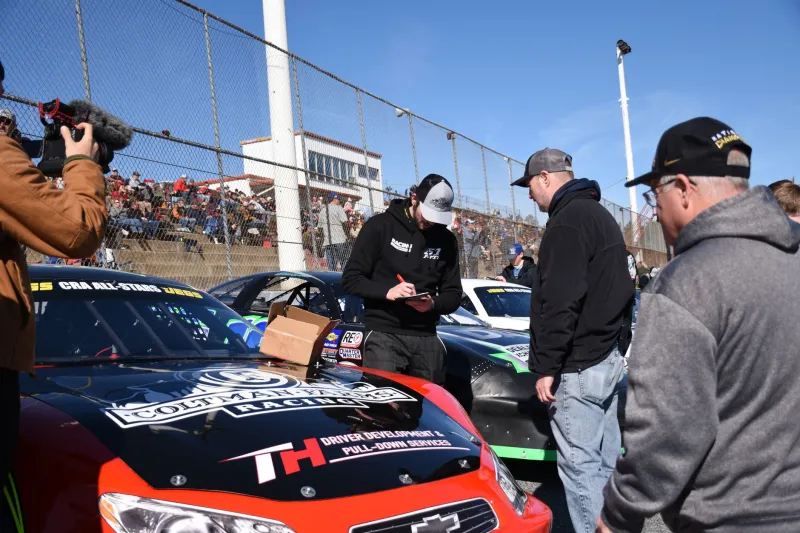
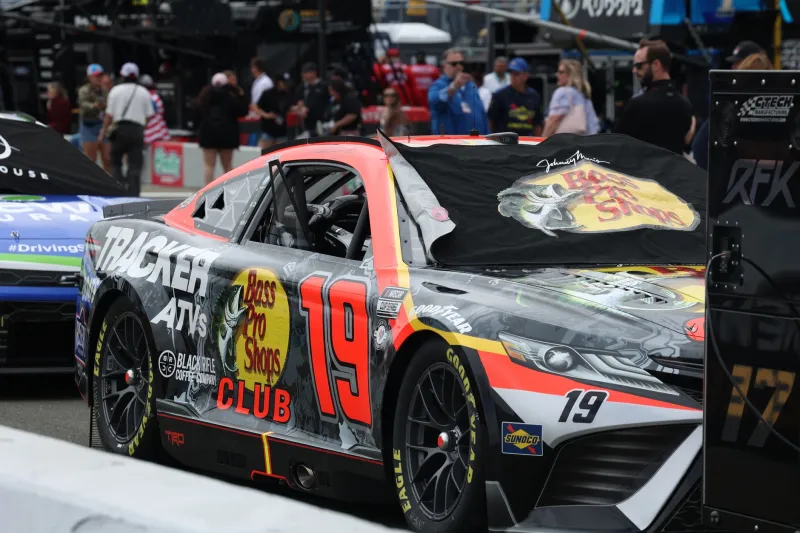
From the Grandstands to the Living Room: Why Collectors Are Betting Big on Home Setups
There's a moment every racing fan knows. You're standing in a packed grandstand, the smell of burnt rubber hanging in the air, your ears ringing from the last flyby. It's electric. It's unforgettable. It's also, depending on where you're sitting, somewhere between $200 and $600 just to get through the gate — before you've touched a single souvenir.
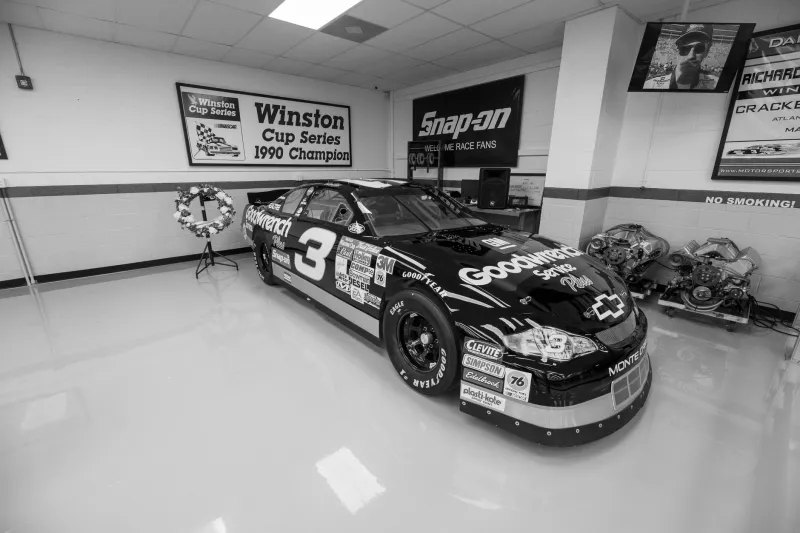
For a lot of motorsports diehards, that math is starting to look a little different. Instead of making the annual pilgrimage to Daytona or Talladega, a growing segment of fans is redirecting that money into something they can look at every single day: a carefully built home collection of racing gear, memorabilia, and fan merchandise.
And honestly? The collections some of these folks are putting together are nothing short of stunning.
The Economics of Fandom Have Changed
Let's be real — attending a major race weekend in the US isn't cheap anymore. When you factor in tickets, travel, lodging, food, and the inevitable merch tent impulse buys, a single NASCAR Cup Series weekend can run a family of four well past $2,000. Formula 1's recent American expansion has pushed those numbers even higher, with general admission tickets to the Las Vegas Grand Prix regularly topping $500 per person.
Mark D., a 44-year-old collector from outside Charlotte, North Carolina, puts it plainly: "I did the race weekend thing for years. I loved it. But I started doing the math and realized I could buy three or four genuinely rare pieces for what I was spending on a single trip. Now my garage looks like a museum, and I get to enjoy it 365 days a year."
That sentiment is echoing across collector communities online. Facebook groups, Reddit threads, and Discord servers dedicated to racing memorabilia have exploded in membership over the last few years. The conversation isn't just about nostalgia — it's about value, curation, and building something that actually appreciates over time.
Limited Drops and the FOMO Factor
The collecting culture surrounding motorsports has gotten a serious shot of adrenaline thanks to the limited-edition merchandise market. Teams, drivers, and even legacy brands have learned to weaponize scarcity. Drop-style releases — think numbered helmet replicas, short-run fire suit jackets, or signed lithographs tied to specific race wins — create the kind of urgency that makes fans move fast and think later.
"It's the same psychology as sneaker culture," says Priya M., a collector and reseller based in Atlanta. "You've got 48 hours to grab something, or it's gone. And once it's gone, the secondary market kicks in and the price doubles. People aren't just buying because they love the sport — they're buying because they don't want to miss out."
That FOMO-driven energy has turned platforms like eBay, Whatnot, and specialized auction houses into the new pit lanes of fan culture. Rare pieces from legendary eras — Dale Earnhardt Sr. memorabilia, early-era IndyCar helmets, vintage SCCA race programs — regularly fetch prices that would make a grandstand ticket look like pocket change.
Nostalgia as a Collecting Engine
Not everyone in this space is chasing investment returns, though. For plenty of collectors, the pull is deeply personal. Racing memorabilia has a unique ability to freeze a moment in time — a championship season, a driver who shaped your childhood, a race you watched with your dad on a Saturday afternoon.
Terry W., a retired mechanic from Ohio, started his collection with a single die-cast car from a 1998 race he attended with his late father. "That little car sat on my dresser for twenty years," he says. "Then I started picking up other pieces from that same era — programs, patches, a signed photo. Now I've got an entire room dedicated to it. Every piece tells a story."
This emotional dimension is something no live event can fully replicate. A ticket stub fades. A hotel memory blurs. But a framed, authenticated piece of racing history sits on your wall and stays sharp.
What the Shift Means for How We Think About Fan Spending
This isn't necessarily an either/or situation. Plenty of serious collectors still make it to the track when they can. But the balance is shifting, and the industry is noticing. Merchandise programs have become more sophisticated, with teams investing heavily in premium, collectible-grade products that feel worthy of a display case rather than a junk drawer.
For shops like ours here at Last Lap Corner Store, that shift represents a genuine opportunity to connect fans with pieces that mean something — not just a t-shirt that gets worn twice and forgotten, but gear that anchors a collection and carries real weight.
The grandstands will always have their magic. But there's something to be said for building a space at home where the race never really ends. Where every wall tells a story, every shelf holds a memory, and the corner store is always open.
Whether you're just starting out or already deep in the hobby, the best advice is simple: buy what moves you. The pieces that connect to a real moment, a real driver, or a real chapter of American racing history — those are the ones worth chasing.