Scarcity, Hype, and Hard Cash: Decoding the Race Weekend Drop Game
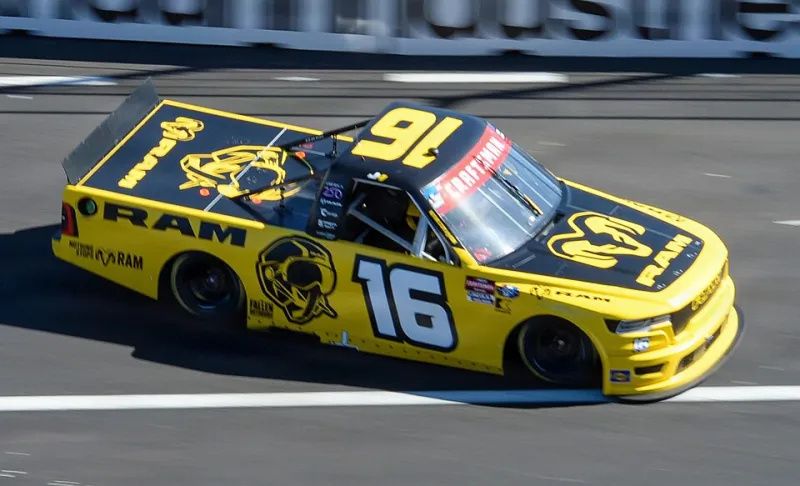
Photo: Mass Communication Specialist 3rd Class Kenneth Ostas, Public domain, via Wikimedia Commons
There's a certain electricity in the air on race weekend. The grandstands are packed, the engines are screaming, and somewhere near the merchandise haulers, a line is already forming before the gates even open. People aren't just showing up for the racing — they're showing up for the stuff. Specifically, the limited-edition drops that appear like clockwork whenever a big event rolls into town.
But here's the thing most casual fans don't fully grasp: not all of that gear is created equal. Some of it will be worth double what you paid within six months. Some of it will sit in a bin at a thrift store three years from now. Knowing which is which? That's where the real sport begins.
Why Race Weekends Are a Breeding Ground for Collectibles
The economics here aren't complicated, but they are powerful. When a manufacturer or team releases merchandise tied specifically to a race event — think a championship-winning driver's commemorative tee from the exact weekend he clinched the title — you've got a hard stop on production. The event ends, the haulers roll out, and that's it. No reorder window. No second print run. The scarcity is baked in from the start.
This is fundamentally different from standard fan gear, which gets restocked season after season. Limited race weekend drops carry a timestamp. They're physical evidence that you were there, or at least that you were paying close attention. And in the collector world, provenance and moment drive value more than almost anything else.
Add in the fact that major races — Daytona, the Indy 500, the Brickyard 400, Road America — draw hundreds of thousands of attendees, and you've got a massive base of potential buyers competing for a relatively small pool of merchandise. Basic supply and demand does the rest.
Official Releases vs. The Wild West of Unofficial Gear
This is where a lot of newer collectors get burned. Walk the vendor midway at any major race and you'll find a spectrum of merchandise ranging from officially licensed team gear to screen-printed shirts some guy made in a parking lot the night before. Both can be marketed as "limited edition." Only one of them has any real shot at appreciating in value.
Official releases — gear produced under license by the sanctioning body, the team, or the driver's own brand — come with documentation, tags, and traceability. Manufacturers like Fanatics, '47 Brand, and various team-specific outfitters produce these runs in coordination with race organizers. They're numbered when applicable, they carry official holograms or certificates, and their production quantities are verifiable.
Unofficial gear can be fun and cheap, but it's essentially a souvenir, not an investment. No secondary market buyer is going to shell out serious money for something with zero chain of custody and a questionable copyright status.
The rule of thumb at Last Lap Corner Store: if it doesn't have an official licensing tag and you can't verify where it came from, buy it because you love it — not because you think it'll pay your rent someday.
Reading the Room: Which Drops Are Actually Worth Chasing
So how do you identify the race weekend releases that have real legs versus the ones that are just riding the hype wave? A few key signals to watch for:
Milestone moments attached to the drop. Merchandise released in connection with a record-breaking win, a driver's final race, or a track's last event before closing carries narrative weight that generic "event" gear simply doesn't. The story matters as much as the object.
Low and verifiable production numbers. Anything advertised as "limited" without an actual number attached should raise your eyebrows. Genuine limited drops will often specify the run — 500 units, 1,000 pieces, whatever it is. That number is the ceiling, and it's what creates the upward pressure on value.
Driver or team involvement in the design. Collaborative drops where the driver had a hand in the artwork or concept tend to carry more cachet. It signals authenticity and gives the item a personal connection that mass-produced gear lacks.
Sellout velocity. If something blows out in under an hour, pay attention. Fast sellouts are the market telling you something. Check the secondary platforms — eBay, StockX for apparel, specialized racing memorabilia dealers — within a week of the event and see where prices land. A 30% markup in that short a window is a strong indicator of genuine collector interest.
The Hype Trap and How to Avoid It
Not every drop that generates buzz is actually scarce. Some manufacturers have gotten wise to the marketing power of "limited edition" language and apply it liberally to items produced in quantities that aren't particularly limited at all. This is especially common with apparel tied to popular drivers who have massive fan bases — the demand is real, but the supply is often quietly massive.
The best defense is doing your homework before race weekend, not during it. Follow team social accounts, official series merchandise channels, and trusted collector communities in the weeks leading up to a big event. When legitimate limited drops are coming, there's usually advance notice, and that's when the smart money starts planning.
Also worth noting: condition is everything on the secondary market. An officially licensed, genuinely scarce item in poor condition is worth a fraction of the same piece kept in pristine shape. If you're buying with an eye toward value, store it right. Tags on, climate controlled, out of direct sunlight.
The Corner Store Take
Race weekends are one of the most exciting pressure cookers in the collectibles world. The combination of live event energy, genuine scarcity, and passionate fans creates conditions where real value gets created fast. But the same conditions also attract opportunists selling overpriced hype.
The fans who consistently come out ahead are the ones treating this like any other investment category: research first, buy smart, and let the emotional attachment be a bonus rather than the driver. Keep your eyes open, know your official from your unofficial, and trust the story behind the item as much as the item itself.
That's how you turn a race weekend into a long game.