Beyond the Cockpit: Why Pit Crew Memorabilia Is the Smartest Bet in Racing Collecting Right Now
For decades, the collecting world has treated motorsports memorabilia like a driver's autograph session — literally. Signed helmets, race-worn gloves, firesuit panels bearing a famous number: these are the trophies everybody wants. Walk through any major auction catalog and the driver-centric stuff dominates every page. That's understandable. Fans bond with the person behind the wheel.
But here's the thing about racing that any true student of the sport already knows: nobody wins alone. Behind every Daytona 500 champion or Le Mans overall winner, there's a crew of five, ten, sometimes twenty people who made it happen — and the gear they wore, the tools they touched, and the equipment they relied on tells an equally compelling story. Right now, that story is seriously underpriced.
The Unsung Heroes Have a Collecting Category
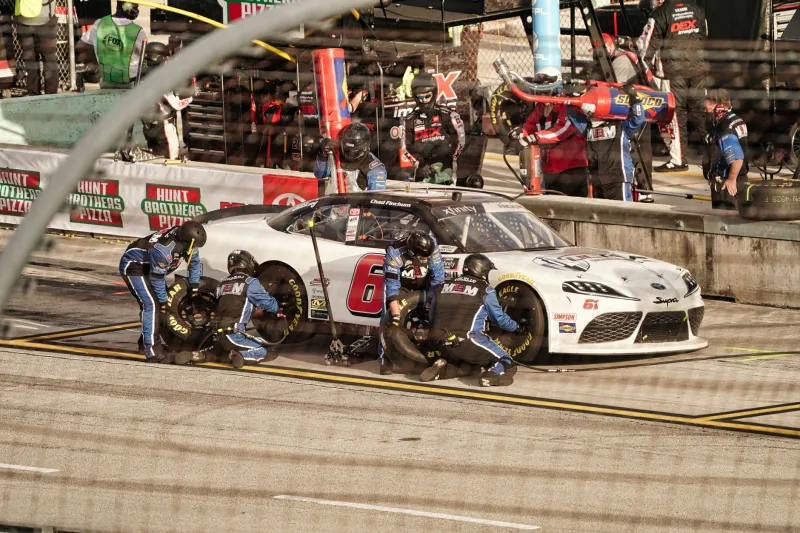
Pit crew memorabilia as a distinct collecting niche is still finding its legs, which is exactly why it's worth paying attention to. We're talking about authentic crew shirts from championship seasons, worn jackman uniforms with fuel stains that no prop department could convincingly fake, pit road headsets used during iconic race calls, and even tool belts that were literally strapped around someone's waist during a sub-13-second pit stop.
Think about what that means from a historical standpoint. When Richard Petty's crew executed a flawless stop at Talladega in the 1970s, the guys doing it were wearing something. That something still exists somewhere. The same goes for the teams behind Dale Earnhardt's dominant NASCAR runs, the Penske pit operations that supported Rick Mears at Indy, or the crews that kept Jimmie Johnson's No. 48 Chevy at the front of the field for seven championships. That's living, tactile history — and it's largely sitting in garages and storage units waiting for someone to recognize its value.
Why Collectors Are Starting to Pay Attention
The mainstream racing memorabilia market has gotten expensive. A race-worn firesuit from a current Cup Series star can run well into four figures, sometimes five. Signed helmets from top drivers routinely move at auction for prices that would make your credit card company nervous. For a lot of collectors — especially those who are newer to the hobby or working with a realistic budget — the driver-centric market has priced them out.
Crew gear fills that gap beautifully. Right now, you can find authenticated pit crew shirts from championship-era NASCAR teams for a fraction of what a driver-signed item from the same season would cost. Headsets, pit boards, and crew equipment show up at estate sales, specialty auctions, and private sales at prices that still feel like deals. That affordability window won't stay open forever.
There's also a diversification angle worth considering. Collectors who've built their collections around one or two marquee drivers are exposed to the same risk as any portfolio concentrated in a single asset. Spreading into crew gear from multiple eras and series adds depth and resilience to what you're building.
What to Look For — and How to Authenticate It
Authentication is where crew gear gets tricky, and it's the reason some collectors have hesitated. Driver items often come with cleaner provenance — team-issued certificates, auction house documentation, photographic evidence of use. Crew gear has historically changed hands more informally, which means you have to dig a little harder.
Here's a practical framework for evaluating what you're looking at:
Provenance documentation matters more than anything else. Letters or receipts directly from team personnel, former crew members, or team operations staff carry serious weight. If a former tire changer is selling you his uniform from a specific championship season and can back it up with a handwritten letter, team photos showing him in the gear, and ideally a third-party authentication review, that's a strong package.
Look for specific team and sponsor markings. Authentic crew shirts and uniforms from the major series will carry sponsor patches, team branding, and often individual crew member names or numbers. These details are hard to fake convincingly and easy to cross-reference against period photography and team records.
Wear patterns tell a story. Genuine race-used crew gear shows wear in very specific places — knee scuffs on jackman uniforms, fuel residue on gas man equipment, headset padding compression from extended use. A uniform that looks like it just came off a store shelf is a red flag regardless of what the paperwork says.
Connect with the community. Collector forums, Facebook groups dedicated to NASCAR and open-wheel memorabilia, and specialty dealers who focus on crew and team items are invaluable resources. The community knows what authentic gear from specific eras looks like, and experienced collectors are generally willing to help newcomers evaluate pieces.
The Deep Cuts That Offer the Best Value
Not all crew memorabilia is equally compelling from a collecting standpoint. If you're building strategically, a few categories stand out.
Championship-season crew shirts from NASCAR's modern era — particularly from dominant teams like Hendrick Motorsports, Penske Racing, or Gibbs — carry historical weight that will only grow. The same applies to IndyCar and IMSA team gear from race-winning efforts at iconic events.
Communication equipment — pit road headsets, crew chief radio setups — represents a fascinating subcategory because it's tied to the decision-making side of racing strategy. The headset a crew chief wore during a controversial late-race call at Bristol or a perfectly timed green-flag pit cycle at Pocono is connected to a moment in a way that's hard to replicate.
Pit boards and signaling equipment from pre-radio eras are genuinely rare and historically significant. These were the primary communication tools between crews and drivers for decades, and surviving examples in good condition are worth serious consideration.
The Long Game
Here's the honest case for pit crew memorabilia as a long-term collecting category: the sport is finally starting to celebrate its supporting cast. The rise of behind-the-scenes content, documentary series, and social media access has introduced fans to the crew members, strategists, and engineers who make racing what it is. As that cultural shift deepens, the demand for gear connected to those people will follow.
The collectors who move now — while prices are still accessible and competition for the best pieces is relatively low — are positioning themselves well. Think of it like finding a driver before they win their first championship. The story is already there. The market just hasn't fully caught up yet.
At Last Lap Corner Store, we've always believed that the best pieces in any collection are the ones that tell a story most people haven't heard. Crew gear does exactly that. It's the other side of racing history — grimy, brilliant, and waiting to be discovered.