One and Done: How Serious Collectors Are Trading Entire Shelves for a Single Statement Piece
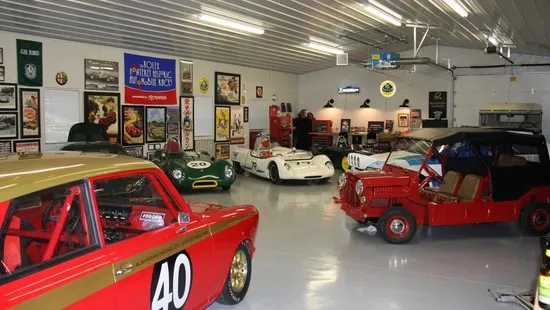
There's a guy in Ohio who spent fifteen years building what most people would call an impressive racing collection. Signed diecasts, framed programs from Daytona, a handful of crew shirts, a couple of helmets of questionable provenance, pit passes going back to the early 2000s. The whole spread took up a dedicated room in his house and probably a solid chunk of his annual discretionary budget.
Last spring, he sold almost all of it.
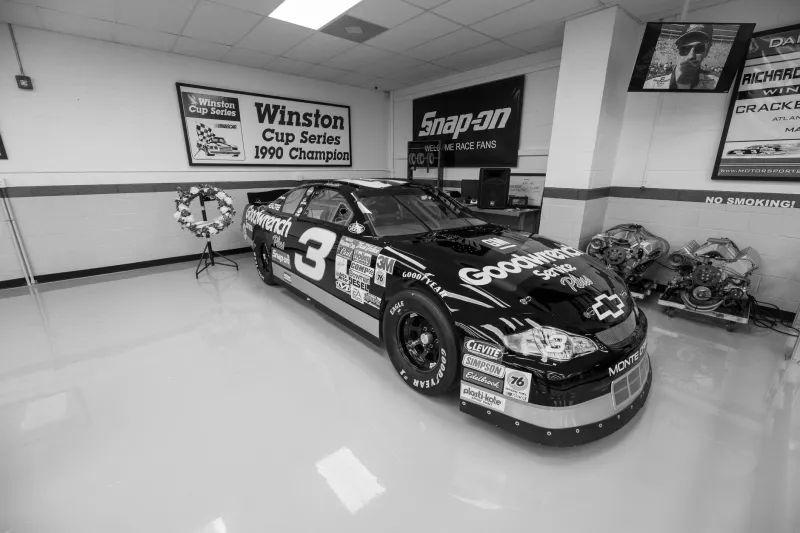
What he kept — and what he used the proceeds to help fund — was a single race-worn firesuit from a championship-winning season. Authenticated, documented, framed museum-style behind UV-protective glass. One piece. One story. One statement.
He's not alone. Not even close.
The Minimalism Wave Hits the Pits
Motorsports collecting has always had a bit of a hoarder's reputation. Part of that is just the nature of the hobby — race weekends produce a firehose of merchandise, and fans who attend regularly end up accumulating stuff almost by accident. Programs, pins, lanyards, hats, magnets, photo prints. It adds up fast, and for a long time, volume felt like validation. More stuff meant more passion, right?
But something shifted. Maybe it's broader cultural trends around minimalism bleeding into collector circles. Maybe it's the influence of high-end auction houses bringing a gallery-level seriousness to motorsports memorabilia. Maybe collectors just got tired of dusting 200 items every month. Whatever the cause, a growing segment of the community is deliberately downsizing — not because they care less, but because they've decided to care differently.
The logic is straightforward once you hear it: one extraordinary piece displayed with intention hits harder than a wall of decent stuff that nobody really stops to look at anymore.
What Counts as a Statement Piece?
This is where it gets interesting, because "iconic" means different things to different people. For some collectors, a statement piece is a race-worn item from a driver's title-winning campaign — the kind of artifact that has a clear, documented place in the sport's history. For others, it might be a steering wheel from a car that won a specific race they attended as a kid, the moment that made them fall in love with the sport in the first place.
The common thread isn't price point, though many of these pieces do carry serious price tags. It's meaning density. A statement piece has to carry a story that can be told in one breath and still give someone chills. It needs to be the kind of thing you can point to and say, that's why I love this sport, without any additional explanation required.
Authentication matters enormously here. The collectors going all-in on a single piece are not cutting corners on paperwork. They want letters of provenance, photo matches, ideally a chain of custody they can trace back to the source. When your entire collection is one item, you can't afford for that item's legitimacy to be in question.
What This Does to the Rest of the Market
Here's where things get a little uncomfortable for people sitting on large general collections: the shift toward quality over quantity is quietly softening demand for mid-tier everyday memorabilia.
When a collector liquidates a room full of signed prints, mass-produced merchandise, and generic race-day souvenirs to fund one premium acquisition, all of that secondary material floods back into the market. And if enough collectors are making the same move — which the current trend suggests they are — supply of common pieces goes up while the buyer pool for those items stays flat or shrinks.
That doesn't mean your collection is worthless. But it does mean the era of bulk ownership as a value strategy is probably over. The items that hold and grow in value are the ones with genuine scarcity, documented history, and a clear connection to a specific meaningful moment. Everything else is starting to look more like nostalgia than investment.
The Emotional Math Behind Selling Everything
Talk to collectors who've made this move and a few consistent themes come up. First, there's relief. The decision to let go of quantity is almost always described as lighter — physically, emotionally, financially. Maintaining a large collection takes real effort and real money, between storage, insurance, display costs, and the ongoing temptation to keep adding.
Second, there's focus. When you own one great thing instead of a hundred decent things, your relationship with that object changes. You know its story cold. You've researched its history. You've thought about where it'll go when you're done with it. It becomes less of an accumulation and more of a stewardship.
Third — and this one surprises people — there's often more connection to the sport itself. Collectors who've narrowed down report spending less time managing inventory and more time actually watching races, following drivers, staying engaged with what's happening on track. The hobby stops feeling like a second job.
What It Means for How You Shop
If you're still in the building phase of your collection, this trend is worth paying attention to before you go wide. The impulse to grab everything — every limited drop, every signed item within reach, every cool piece of race-day gear — is understandable. This sport produces incredible material culture and the FOMO is real.
But it might be worth asking yourself early: what's the one thing? Not the one thing you'd settle for, but the one thing that would make every other piece feel redundant by comparison. The piece that represents your specific relationship with motorsports in a way nothing else could.
That question changes how you budget, how you research, and how patient you're willing to be. And patience, it turns out, is one of the most underrated tools in any serious collector's garage.
The Corner Store Take
At Last Lap Corner Store, we see both ends of this spectrum — the folks building broad collections piece by piece and the focused buyers hunting for that one definitive item. What's becoming clear is that neither approach is wrong, but the market is rewarding intentionality more than it used to.
Whether you're chasing a museum-quality race-worn artifact or still filling out your collection with the gear and memorabilia that makes your space feel like yours, know what you're buying and why you're buying it. That clarity is what separates a collection from a pile — and right now, that distinction matters more than ever.