Buy the Moment: How Historic Race Days Turn Ordinary Merchandise Into Gold

There's a reason serious collectors keep one eye on the race and another eye on their wallets. In motorsports, history doesn't just happen on the track — it happens in the marketplace too. The moment a checkered flag drops on a record-breaking run, a career-defining championship, or a beloved driver's final lap, the value of anything connected to that moment starts climbing. Fast.
If you've ever wondered why that Dale Earnhardt Sr. diecast you passed on at a swap meet now costs three times what it did before, welcome to the economics of racing memorabilia.
Why Historic Moments Create Instant Scarcity
The core driver behind collectible value is pretty simple: demand spikes while supply stays fixed. When Jeff Gordon won his fourth NASCAR Cup Series championship in 2001, merchandise that had been sitting in corner stores and souvenir trailers suddenly had a story attached to it. Pre-championship pieces — especially items manufactured before the season ended — became artifacts of a specific moment in time. Manufacturers can't go back and make more of them.
This is what collectors call the "freeze point." Once an event becomes historic, the clock stops on authentic memorabilia from that era. Post-event merchandise gets produced in massive quantities to meet fan demand, but those items don't carry the same weight as something printed before anyone knew what was coming.
The retirement of an iconic driver creates a similar effect. When Jimmie Johnson announced his departure from full-time NASCAR competition after 2020, dealers across the country reported sell-outs on Johnson merchandise within days. Items that had been available for years suddenly felt finite.
The Pieces That Appreciate the Most
Not every souvenir hat or bumper sticker is going to fund your retirement. Experienced collectors are pretty selective about what they consider investment-grade material. Here's what tends to hold — and grow — in value:
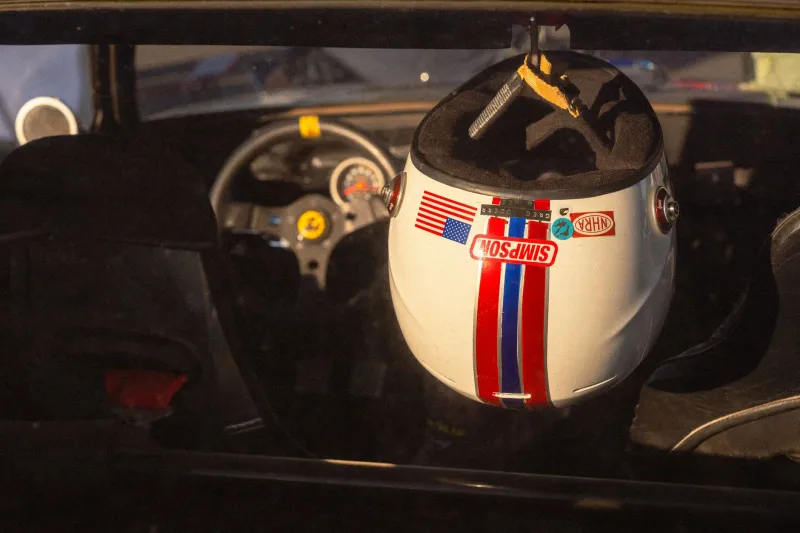
Race-used equipment is almost always at the top of the list. Helmets, firesuits, gloves, and steering wheels that were actually used during a significant race carry provenance that replica gear simply can't match. Authentication documentation is critical here — items with a clear chain of custody from team to collector command serious premiums.
Pre-event championship merchandise — particularly items produced in limited runs before a title was officially clinched — often appreciates significantly. Think early-season diecasts, programs from specific races, and team-issued gear from title-winning campaigns.
Signed pieces tied to specific milestones also perform well over time. A driver autograph on a generic photo is one thing. The same signature on a piece of memorabilia from the race where they broke a record? Completely different conversation.
Factory error items and short-run variants occupy a niche but passionate corner of the market. Misprinted programs, prototype merchandise, and items pulled from production before wide distribution can become surprisingly valuable to the right collector.
Reading the Room Before Prices Jump
Here's where things get interesting — and where everyday fans can actually get ahead of the market. You don't need to be a professional dealer to spot an opportunity before it becomes expensive.
Pay attention to storylines during a season. When a driver is closing in on an all-time record, when a team is on an unusual winning streak, or when a veteran announces they're stepping back — those are your signals. The merchandise connected to those drivers and teams is about to get a lot more attention.
Local track merchandise is consistently undervalued. Gear sold at regional short tracks, sold at specific race weekends, or produced for one-off events often flies under the radar of big-market collectors. But those items are inherently limited by their original distribution. A T-shirt sold at a single Bristol race weekend in the mid-90s isn't something you can just reorder.
Condition is everything. A mint-condition item in its original packaging from a significant era will always outperform a similar piece that's been handled, displayed without protection, or stored poorly. If you're buying with future value in mind, keep items sealed and stored properly from day one.
Practical Tips for US Fans Getting Started
The American motorsports memorabilia market is enormous, spanning NASCAR, IndyCar, IMSA, drag racing, and everything in between. That breadth is both an opportunity and a minefield for newer collectors.
Start with what you know and love. Collecting around your favorite driver, team, or series means you'll naturally follow the storylines that drive value. Passion-based collecting also helps you recognize when something feels significant — because you've been paying attention.
Build relationships with reputable dealers. The memorabilia world rewards trust and knowledge. Established dealers who specialize in racing collectibles can often tip you off to upcoming auctions, estate sales, or pieces that are about to hit the market. The community around this hobby is genuinely helpful to people who engage with it seriously.
Document everything you buy. Keep receipts, take photos, record provenance details. If you ever want to sell or have a piece appraised, documentation is what separates a collectible from a curiosity.
Finally, don't overlook authentication services. For higher-value pieces — anything in the hundreds of dollars and above — third-party authentication is worth the cost. It protects your investment and makes resale significantly easier down the road.
The Long Game
Racing memorabilia isn't a get-rich-quick scheme. The collectors who do best over time are the ones who combine genuine passion for the sport with a little strategic patience. They buy pieces connected to drivers and moments they believe history will remember. They take care of what they own. And they stay plugged into the sport closely enough to recognize when a historic moment is building before the rest of the market catches up.
At Last Lap Corner Store, we think about this stuff constantly — because the items we carry aren't just merchandise. They're pieces of a story that's still being written every weekend on tracks across the country. The best time to grab a piece of that story is usually before everyone else realizes it's worth holding onto.